Why is there mold on my soil is usually about surface conditions staying wet and stale too long. The fix is to rebalance moisture and airflow, not just scrape and ignore.
Why Is There Mold on My Soil

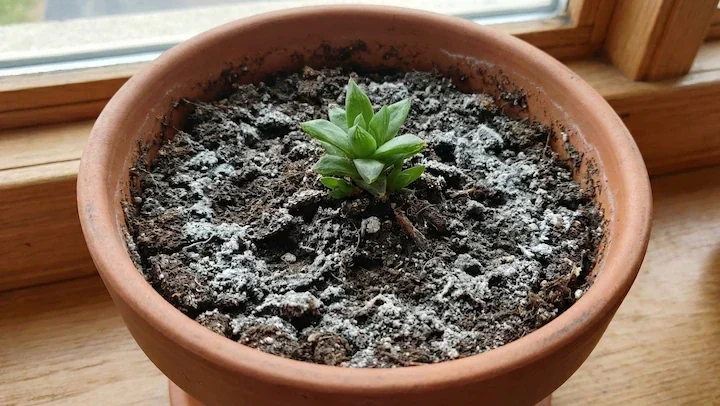
Quick Diagnosis
Mold on my soil: quick diagnosis
Short answer
Soil mold is usually an environment-management symptom, not a stand-alone disease diagnosis. First step: Check how long the top layer stays damp after watering and whether plants are crowded.
Most likely causes
- Surface stays wet too long: top layer remains damp for multiple days
- Low airflow: mold is worst in still, crowded corners
- Organic debris buildup: dead leaves remain on soil surface
- Dense mix or oversized pot: pot stays wet long after watering
What to do first
- Remove visible mold and discard the top affected layer
- Replace topsoil with fresh dry mix
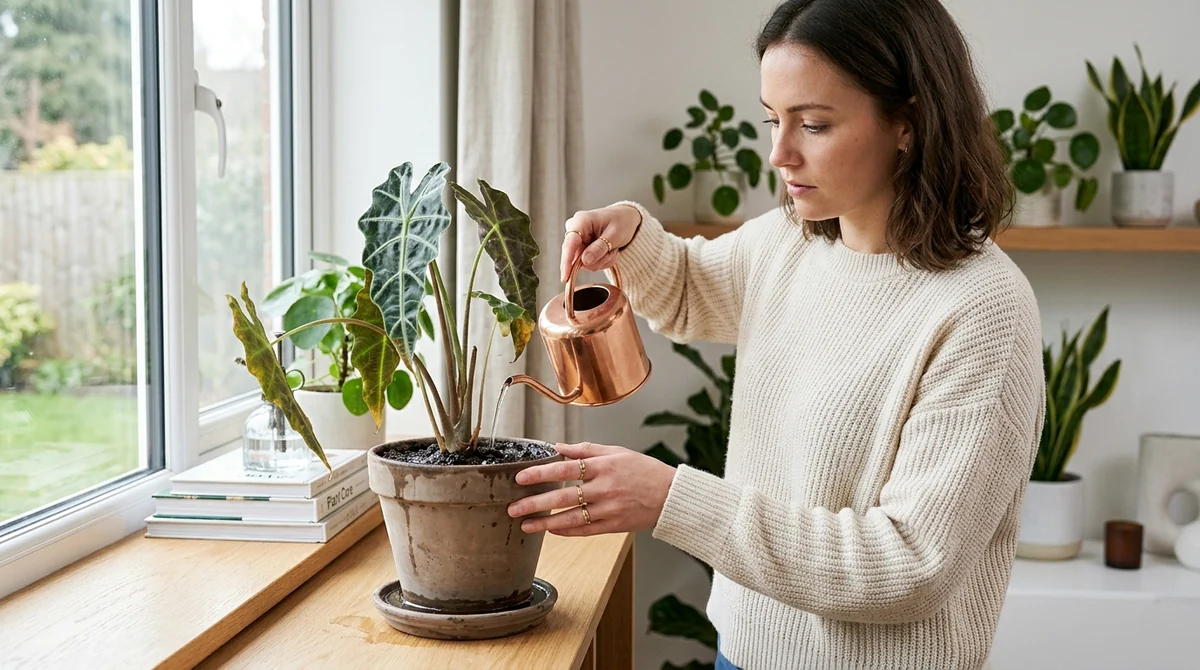
- Adjust watering so surface dries between cycles
- Improve airflow and reduce crowding around the pot
What not to do yet
- Do not change several care variables at once
- Do not add fertilizer before checking moisture, light, and roots
- Do not repot unless roots, drainage, or soil structure point to a root-zone problem
Symptoms to check first
Start with visible symptom patterns first, then move to causes. Symptoms can overlap, so check what you can observe before changing your routine.
White Fuzzy Layer On Topsoil
This usually indicates persistent surface moisture and low airflow.
Mold Returns Quickly After Scraping
Quick return means the underlying wetness pattern has not changed yet.
Musty Smell Around Pot
Musty odor often confirms ongoing surface microbial buildup.
Top causes of mold on my soil
Soil mold is usually an environment-management symptom, not a stand-alone disease diagnosis. Symptoms can overlap, so confirm moisture, light, and root-zone conditions before making multiple changes at once.
Check these first
Rule out water, light, and soil conditions before changing your full routine.
Surface stays wet too long
Top layer remains damp for multiple days.
Low airflow
Mold is worst in still, crowded corners.
Organic debris buildup
Dead leaves remain on soil surface.
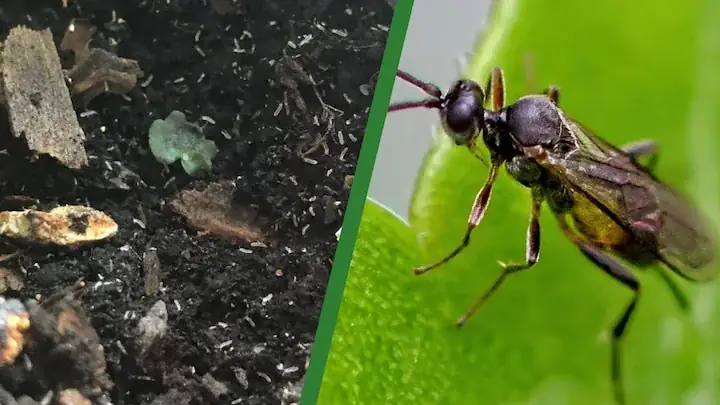
Compare related guides for why are there tiny flies in my soil, overwatering plants, check root rot warning signs if symptoms overlap.
⚡ Fastest next step: Check how long the top layer stays damp after watering and whether plants are crowded.
Tracking moisture patterns over time helps remove guesswork. Plantology's Plant Doctor can automate this so decisions are based on history, not memory.
How to tell which cause fits
Start with the closest match. If several causes seem possible, track what changes over a few days and compare response patterns.
Many plant owners misdiagnose these symptoms because causes overlap. Tracking care history is often the easiest way to separate likely triggers.
Surface stays wet too long
What it looks like: Top layer remains damp for multiple days.
Why it happens: Constant moisture supports repeated mold growth cycles.
First correction: Allow the top layer to dry more between waterings.
Low airflow
What it looks like: Mold is worst in still, crowded corners.
Why it happens: Stagnant air slows evaporation and keeps surface humidity high.
First correction: Increase gentle airflow and add spacing around pots.
Organic debris buildup
What it looks like: Dead leaves remain on soil surface.
Why it happens: Debris provides easy food for surface fungi.
First correction: Clear debris and refresh the top 1 to 2 cm of mix.
Dense mix or oversized pot
What it looks like: Pot stays wet long after watering.
Why it happens: Poor aeration slows dry-down and traps moisture.
First correction: Use a better-aerated mix and right-size container at next repot.
If you are still unsure, Plantology's Plant Doctor can track your care history and help narrow likely causes over a few days.
How to fix mold on my soil on houseplants
Follow these steps in order so you can identify what helps without introducing conflicting changes.
Step 1
Remove visible mold and discard the top affected layer.
Step 2
Replace topsoil with fresh dry mix.
Step 3
Adjust watering so surface dries between cycles.
Step 4
Improve airflow and reduce crowding around the pot.
Step 5
Clear fallen organic debris weekly.
Step 6
Recheck in 5 to 7 days and reassess pot/mix if mold returns.
Most common mistake: Changing multiple variables at once and then not knowing what worked.
Plantology's Plant Doctor helps keep changes isolated so you can see which adjustment actually improved the plant.
How to prevent mold on my soil on houseplants
Use these habits to reduce repeat symptoms and catch stress earlier.
-
Water based on depth checks, not fixed day counts
Use this as a repeatable care habit so symptoms are easier to compare over time.
-
Keep topsoil clean from fallen organic matter
Use this as a repeatable care habit so symptoms are easier to compare over time.
-
Maintain gentle airflow around grouped plants
Use this as a repeatable care habit so symptoms are easier to compare over time.
-
Use airy mixes with drainage-friendly containers
Use this as a repeatable care habit so symptoms are easier to compare over time.
-
Treat recurring mold as an environment signal, not just cosmetic
Use this as a repeatable care habit so symptoms are easier to compare over time.
Pro tip: A short weekly note on watering, light, and leaf changes is often enough to catch patterns early.
If consistency is hard to maintain, Plantology's Plant Doctor can help reveal patterns early.
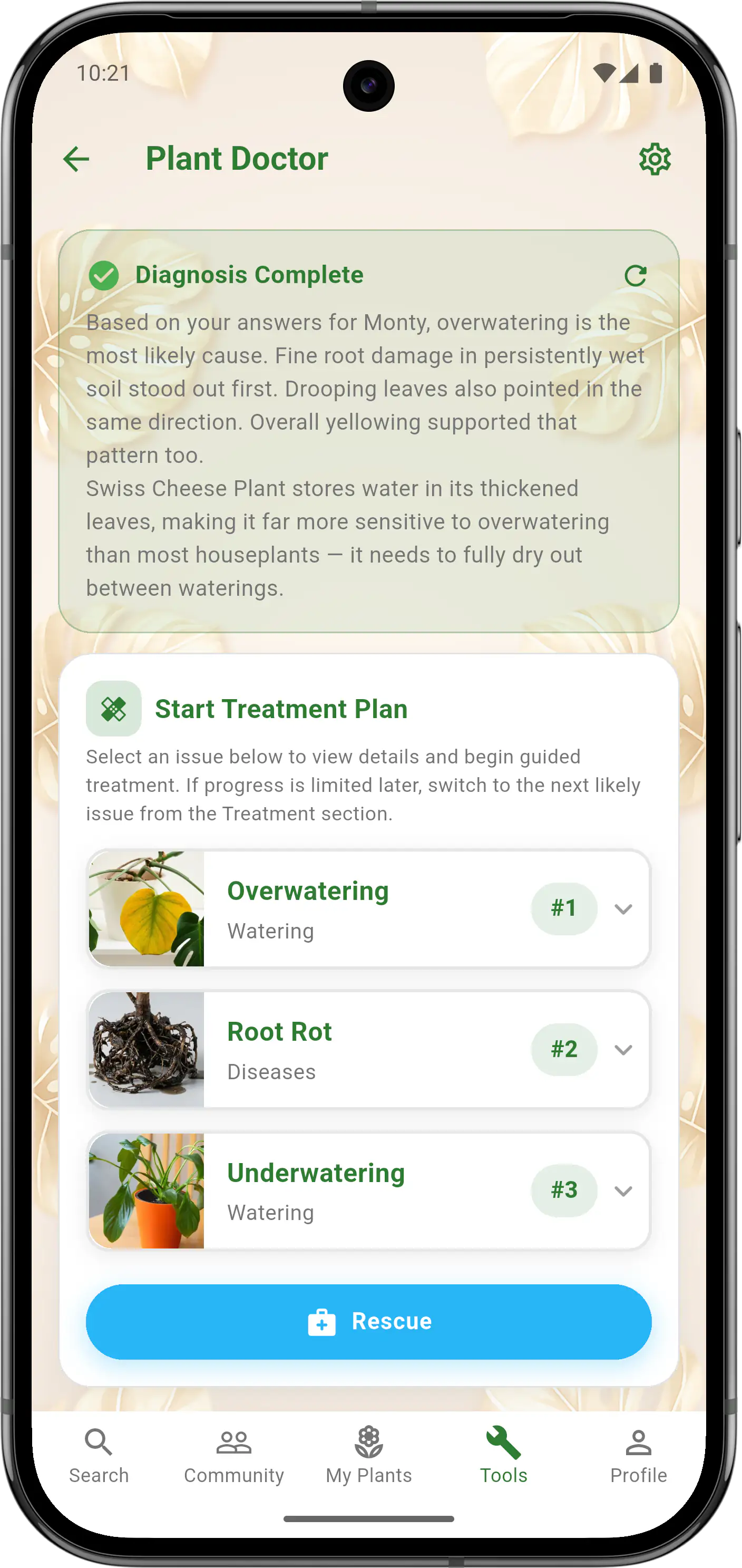
Plant Doctor
Mold returns every week after cleanup?
Plant Doctor helps connect recurrence to moisture and airflow patterns so long-term fixes are easier to hold.
Pattern clarity
Helps you spot patterns you might miss when symptoms overlap.
Cause separation
Uses recent care history and symptom changes to narrow likely causes.
Guided next steps
Supports observation over time so fixes stay consistent and practical.


Explore More Plant Care Resources
Use the Plant Problem Diagnosis tool — Organize the visible symptom into cautious checks before choosing a treatment.

Frequently Asked Questions
Surface mold is usually a moisture and airflow signal. It often means topsoil is staying wet too long. For beginners, make one small change at a time and watch the plant for about a week before changing something else.
Usually it is more of a warning sign than a direct plant-killer, but it shows conditions need adjustment. Before deciding, check current light, soil moisture, and root condition so your next step is based on what is actually happening.
Remove the affected top layer, replace with fresh mix, and improve airflow while adjusting watering cadence. A simple way to do this is to check light and soil moisture first, then track the result for 7 to 14 days.
Yes if moisture conditions stay unchanged. Lasting control requires environment correction, not just scraping. For beginners, make one small change at a time and watch the plant for about a week before changing something else.
Plantology
Fix Plant Problems With More Confidence
Use Plant Doctor to understand what is happening and choose practical next steps for your plant.
- Check symptoms clearly
- Follow practical treatment steps
- Avoid repeat problems