Why are there tiny flies in my soil is usually a fungus gnat cycle. Adults are mostly a nuisance, but larvae can damage roots when populations get high. The fix is to treat soil moisture and larvae together, not adults alone.
Why Are There Tiny Flies in My Soil? Fungus Gnat Signs and Fixes

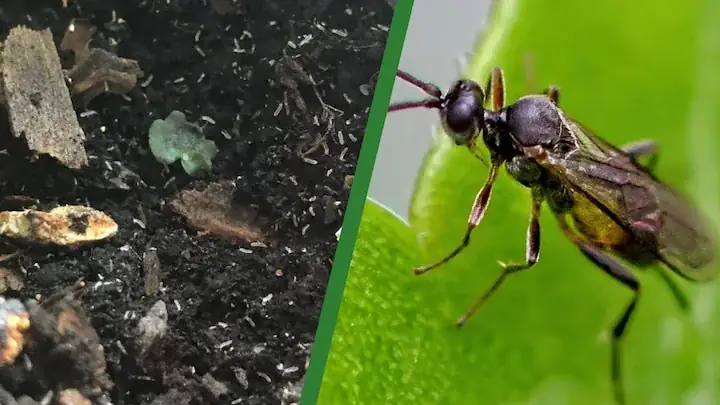
Quick Diagnosis
Why are there tiny flies in my soil: quick diagnosis
Short answer
Most cases are moisture-driven fungus gnat cycles in potting media. First step: Confirm adults on sticky cards, then check top soil for larvae using a potato slice or direct inspection.
Most likely causes
- Moist topsoil stays wet too long: pot surface rarely dries before the next watering
- Organic debris buildup: dead leaves and algae collect around pots
- Adult-only control: flies return after sprays or traps alone
- Introduced source: issue starts after new plants or fresh soil
What to do first
- Dry the top layer: Let the top 1 to 2 inches dry before watering again. Keep lower roots healthy, but stop keeping the surface constantly wet
- Trap and track adults: Place yellow sticky cards at soil height and replace weekly. Falling counts tell you the cycle is breaking
- Treat larvae directly: Apply Bti drench or Steinernema feltiae nematodes every 7 days for 2 to 3 rounds
- Remove wet habitats: Empty saucers, clean algae and debris, and improve airflow around pots
What not to do yet
- Do not spray before checking hidden leaf undersides, stems, and soil-line areas
- Do not stop after one cleanup if eggs or hidden stages may still be present
- Do not treat nearby plants blindly, but inspect them before pests spread
Quick answer
Quick answer: Fungus gnats breeding in damp potting soil. Break the cycle by drying the top layer, trapping adults, and targeting larvae every 7 days.
- Early sign: This is often the first sign. They hover low and scatter when the pot is disturbed
- Mid sign: Small translucent worm-like larvae with dark heads confirm breeding in the pot
- Later sign: Heavy larval feeding can damage fine roots and slow growth
What it looks like, where it hides, and what damage it causes
What it looks like
Look for repeated visible pest markers plus fresh activity over time.
Where it hides
Inspect protected growth points, undersides, and node creases.
What damage it causes
Damage usually expands in clusters when active stages are not interrupted.
Symptoms to check first
Start with what you can clearly see right now before changing treatment or care variables.
Tiny flies near pots
This is often the first sign. They hover low and scatter when the pot is disturbed.
Larvae in top soil
Small translucent worm-like larvae with dark heads confirm breeding in the pot.
Seedling wilt or weak growth
Heavy larval feeding can damage fine roots and slow growth.
Problem returns after quick sprays
Adult-only sprays miss larvae, so the cycle restarts.
Where to check on the plant
Inspect these locations before locking your diagnosis.
Top 1 to 2 inches of potting mix
This is where eggs and larvae are usually concentrated.
Soil surface and pot rim
Adults rest and lay eggs around moist surface zones.
Drainage holes and saucers
Wet runoff zones can shelter larvae and pupae.
Nearby windows and grow lights
Adults gather around light and help reveal where populations are active.
What this gets confused with
Use this quick contrast to reduce misdiagnosis before treatment.
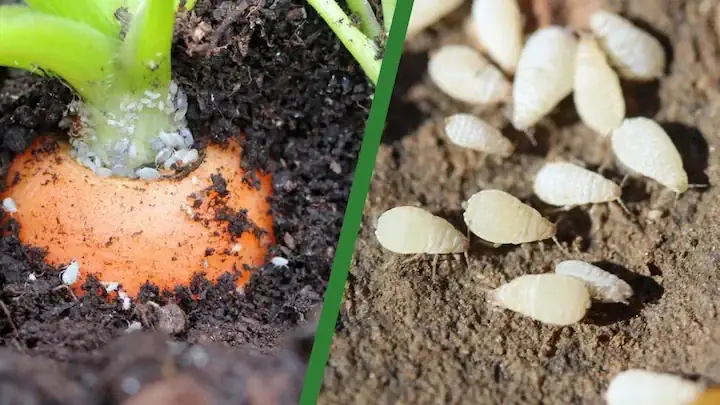
Fruit flies
Fruit flies gather near fruit and kitchen waste, not mainly at potting soil.
Shore flies
Shore flies are heavier and usually linked to algae-covered wet surfaces.
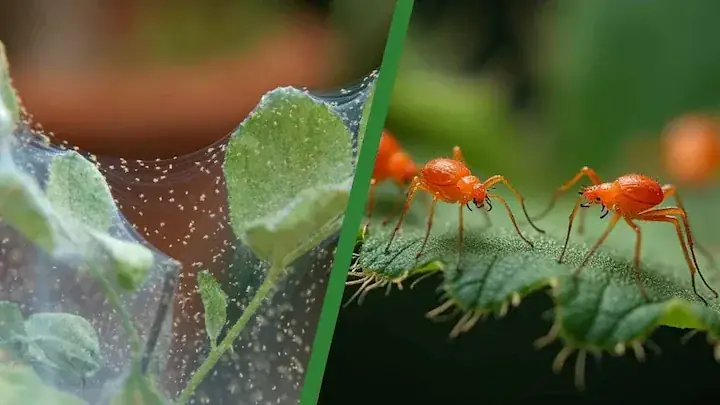
Water-stress yellowing
Water stress has no flying adults or larvae in the soil.
Why this happens
Choose the closest driver first, then run one correction at a time.
Moist topsoil stays wet too long
What it looks like: Pot surface rarely dries before the next watering.
Why it happens: Eggs and larvae survive best in consistently moist media.
First correction: Isolate, clean visible activity, and begin repeat treatment cadence.
Organic debris buildup
What it looks like: Dead leaves and algae collect around pots.
Why it happens: Decaying material feeds fungi that support larval development.
First correction: Isolate, clean visible activity, and begin repeat treatment cadence.
Adult-only control
What it looks like: Flies return after sprays or traps alone.
Why it happens: New adults keep emerging from untreated larvae.
First correction: Isolate, clean visible activity, and begin repeat treatment cadence.
Introduced source
What it looks like: Issue starts after new plants or fresh soil.
Why it happens: Eggs and larvae often hitchhike in nursery material.
First correction: Isolate, clean visible activity, and begin repeat treatment cadence.
How to confirm it
Before you treat, run these checks to confirm you are targeting the right problem.
-
Yellow sticky cards at soil level
Steady catches over several days confirm active adult emergence.
-
Potato-slice larval test
Larvae gather under the slice within 24 to 48 hours if present.
-
Topsoil disturbance check
Adults often rise when the pot is watered or moved.
-
One-week trend check
If adult counts stay flat, larval treatment is incomplete.
Treatment cadence and repeat intervals
- Interval: Every 5 to 7 days
- Rounds: 3 cycles minimum
- Recheck window: Recheck every 48 to 72 hours
- Stop rule: Stop only after no new signs across repeat checks.
Signs it is improving vs signs it is getting worse
Improving signs
- Fewer fresh signs appear between checks.
- Damage progression slows on new growth.
Worsening signs
- Fresh hotspots appear on new tissue.
- Nearby plants start showing the same pattern.
How to fix it
Follow the sequence without skipping repeat cycles.
Dry the top layer
Let the top 1 to 2 inches dry before watering again. Keep lower roots healthy, but stop keeping the surface constantly wet.
Trap and track adults
Place yellow sticky cards at soil height and replace weekly. Falling counts tell you the cycle is breaking.
Treat larvae directly
Apply Bti drench or Steinernema feltiae nematodes every 7 days for 2 to 3 rounds.
Remove wet habitats
Empty saucers, clean algae and debris, and improve airflow around pots.
Repot if infestation is heavy
For collapsing plants, wash roots and repot in clean, well-draining sterile mix.
Recheck weekly
Continue until sticky-card catches stay minimal for at least 2 weeks.
⚠ Escalate quickly if you notice:
- Seedlings keep wilting despite normal watering.
- Sticky card counts stay high after 2 weeks.
- Adults rebound quickly after each treatment pause.
- Multiple nearby pots begin showing flies.
How to prevent it
Use these habits to reduce reinfestation risk and catch activity early.
-
Topsoil dry-down checks
Dry surface conditions break the most common breeding zone.
-
Sticky-card monitoring
Early adult catches let you act before root damage builds.
-
Arrival quarantine
New plants and soil are frequent sources of infestations.
-
Routine cleanup
Less wet debris means fewer resources for the gnat cycle.
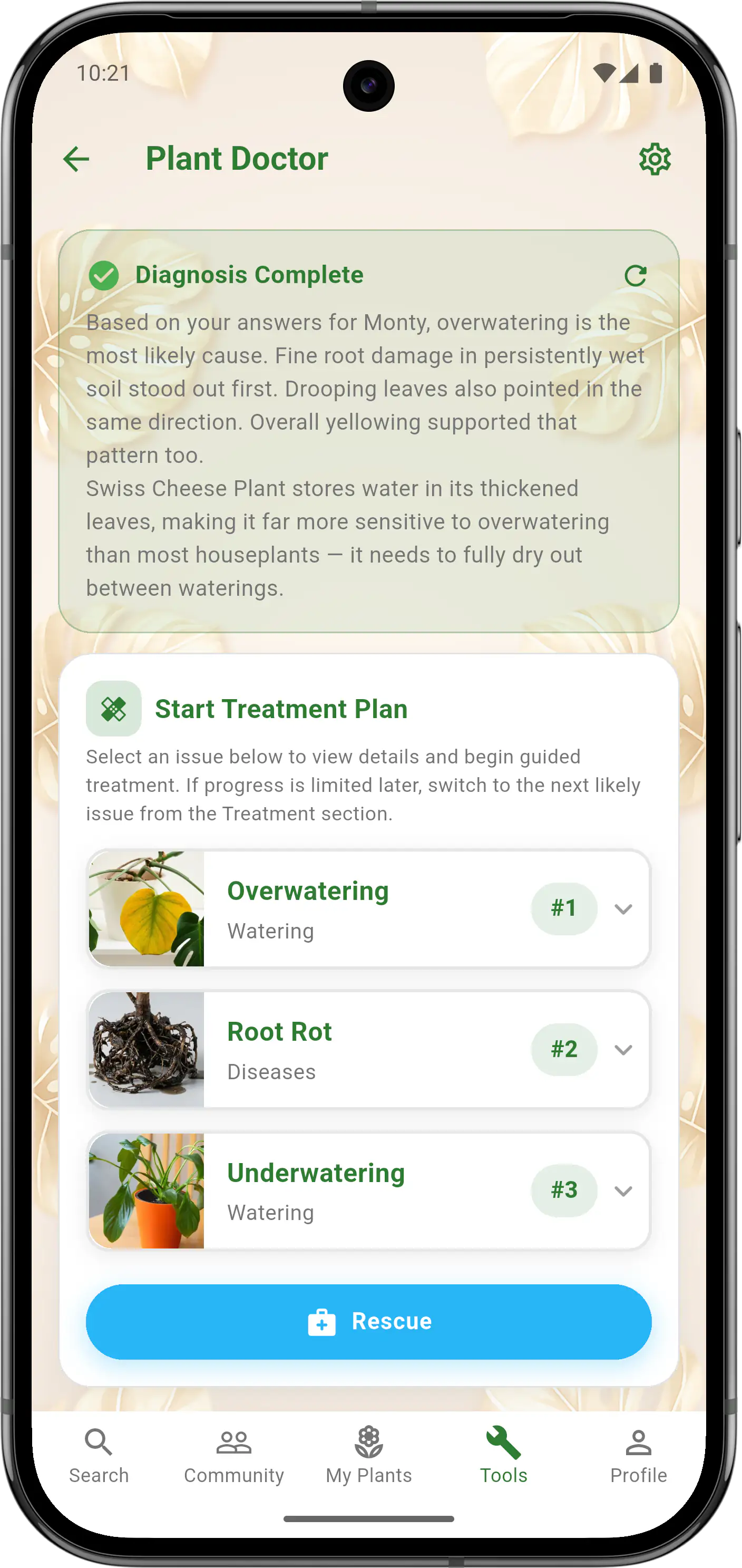
Plant Doctor
Fungus gnats keep coming back?
Plant Doctor helps you separate adult nuisance activity from larval root-risk so treatment targets the full life cycle.
Pattern clarity
Helps you spot patterns you might miss when symptoms overlap.
Cause separation
Uses recent care history and symptom changes to narrow likely causes.
Guided next steps
Supports observation over time so fixes stay consistent and practical.


Explore More Plant Care Resources
Use the Plant Problem Diagnosis tool — Organize the visible symptom into cautious checks before choosing a treatment.
Frequently Asked Questions
Treat this as a process: observe first, then adjust one variable. For tiny flies, avoid broad resets and test one correction at a time. If signs are mixed, prioritize root health and placement before adding fertilizer or extra watering. Document what changed this week so future decisions stay clear.
Keep the first pass simple so you can separate likely causes from noise. With fungus gnats, document one clear signal before changing routines. Compare symptom timing with your last watering and placement change before doing anything else. Make one small adjustment at a time to avoid overcorrecting.
Use a baseline check first so fixes are based on evidence, not guesses. For confirm fungus, prioritize the most direct confirmation step first. Confirm whether the issue is worsening, stable, or improving before stacking new treatments. Track results for 7 to 14 days so you can confirm what improved.
Use a quick diagnosis pass first so your next step matches the actual issue. For fastest fungus, prioritize the most direct confirmation step first. A simple light check and moisture-depth check usually rules out the biggest mistakes quickly. Track results for 7 to 14 days so you can confirm what improved.
Plantology
Control Plant Pests With More Confidence
Use Plant Doctor to identify likely pests and follow practical treatment steps that are easier to stick with.
- Identify likely pests faster
- Follow repeatable treatment steps
- Reduce reinfestation risk