Why are my plant leaves crispy is usually a moisture-delivery issue, not just watering frequency. Crispy damage does not reverse, so success means preventing new crisping.
Why Are My Plant Leaves Crispy

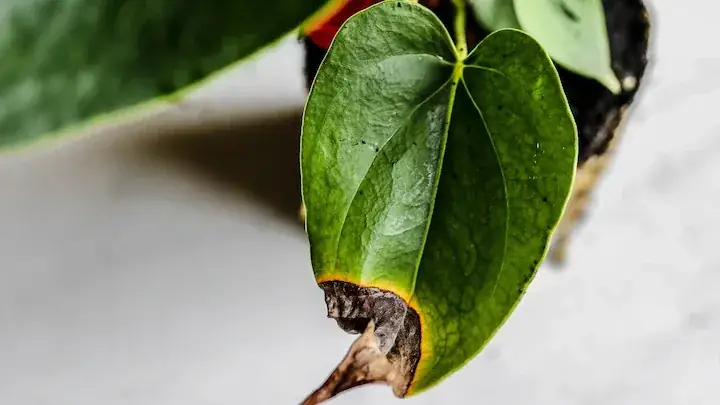
Quick Diagnosis
My plant leaves crispy: quick diagnosis
Short answer
Crispiness is a tissue-level stress outcome that needs moisture and environment checks. First step: Check moisture depth, humidity context, and visible salt residue before changing multiple variables.
Most likely causes
- Underwatering or fast dry-down: crisp damage appears after soil dries too far too often
- Low humidity and hot airflow: edges crisp near vents, heaters, or dry windows
- Light or heat scorch: damage is strongest on exposed canopy sides
- Root limitation: crisping continues despite careful watering
What to do first
- Confirm where crisping starts and whether it is still spreading
- Water deeply if root zone is dry, then let excess drain completely
- Stabilize watering to avoid dry-to-flood extremes
- Reduce direct heat and airflow stress around foliage
What not to do yet
- Do not change several care variables at once
- Do not add fertilizer before checking moisture, light, and roots
- Do not repot unless roots, drainage, or soil structure point to a root-zone problem
Symptoms to check first
Start with visible symptom patterns first, then move to causes. Symptoms can overlap, so check what you can observe before changing your routine.
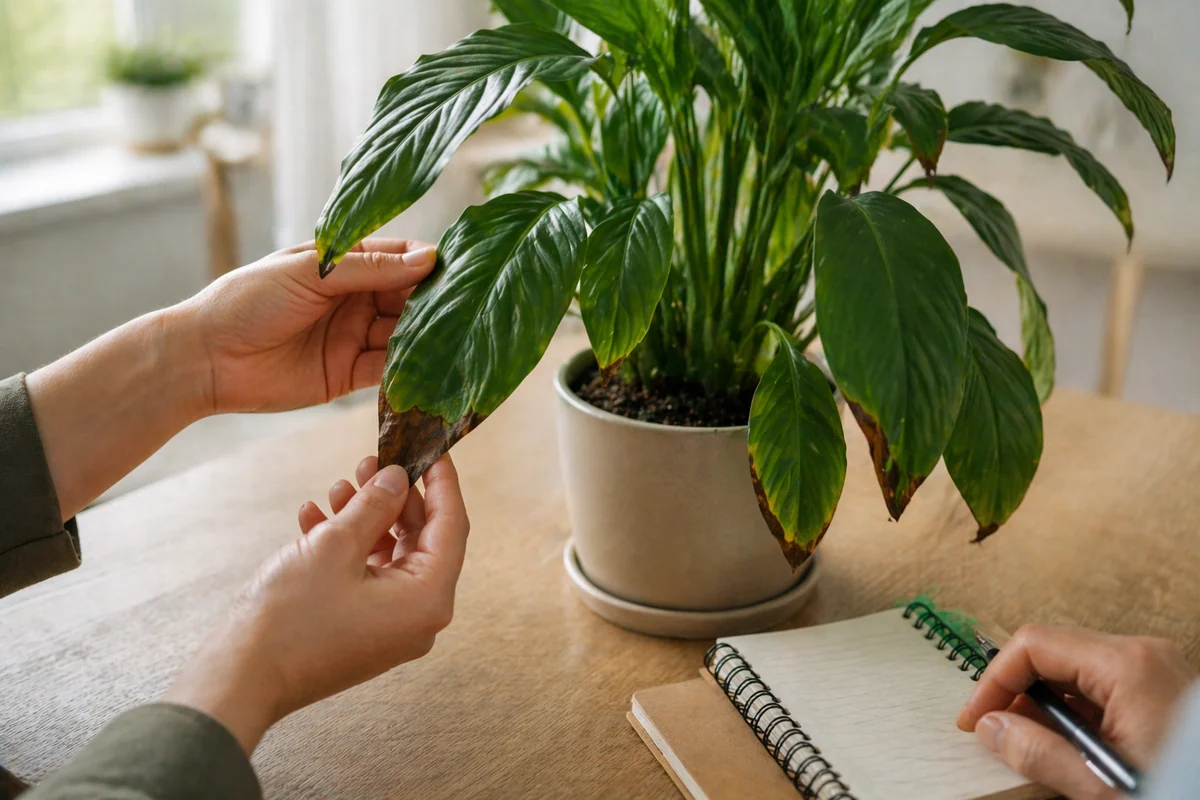
Crispy Tips And Edges
Leaf margins usually fail first when moisture demand stays higher than supply.
Whole Leaf Turns Papery
This can indicate deeper root-zone dryness or prolonged missed watering.
Crisp Patches On Sun-Facing Side
Localized crisping often points to light or heat scorch rather than whole-plant thirst.
Top causes of my plant leaves crispy
Crispiness is a tissue-level stress outcome that needs moisture and environment checks. Symptoms can overlap, so confirm moisture, light, and root-zone conditions before making multiple changes at once.
Check these first
Rule out water, light, and soil conditions before changing your full routine.
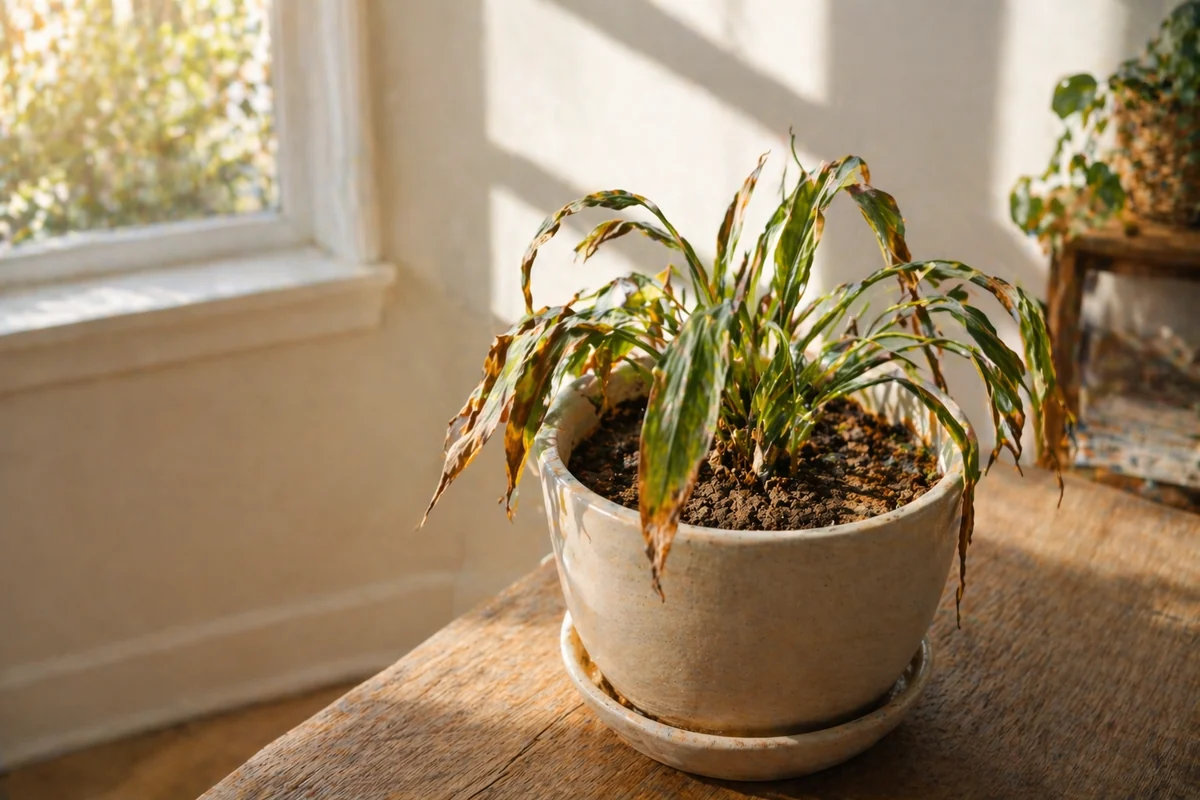
Underwatering or fast dry-down
Crisp damage appears after soil dries too far too often.
Low humidity and hot airflow
Edges crisp near vents, heaters, or dry windows.
Light or heat scorch
Damage is strongest on exposed canopy sides.
Compare related guides for brown tips on houseplants, underwatering plants, check root rot warning signs if symptoms overlap.
⚡ Fastest next step: Check moisture depth, humidity context, and visible salt residue before changing multiple variables.
Tracking moisture patterns over time helps remove guesswork. Plantology's Plant Doctor can automate this so decisions are based on history, not memory.
How to tell which cause fits
Start with the closest match. If several causes seem possible, track what changes over a few days and compare response patterns.
Many plant owners misdiagnose these symptoms because causes overlap. Tracking care history is often the easiest way to separate likely triggers.
Underwatering or fast dry-down
What it looks like: Crisp damage appears after soil dries too far too often.
Why it happens: Tissue dehydrates beyond recovery when roots cannot deliver enough water.
First correction: Rehydrate once deeply, then prevent bone-dry swings with depth checks.
Low humidity and hot airflow
What it looks like: Edges crisp near vents, heaters, or dry windows.
Why it happens: Transpiration at leaf margins outpaces root replacement.
First correction: Move away from direct airflow and raise local humidity.
Light or heat scorch
What it looks like: Damage is strongest on exposed canopy sides.
Why it happens: High radiant load damages tissue faster than the plant can cool.
First correction: Shift to filtered bright light and avoid abrupt full-sun exposure.
Root limitation
What it looks like: Crisping continues despite careful watering.
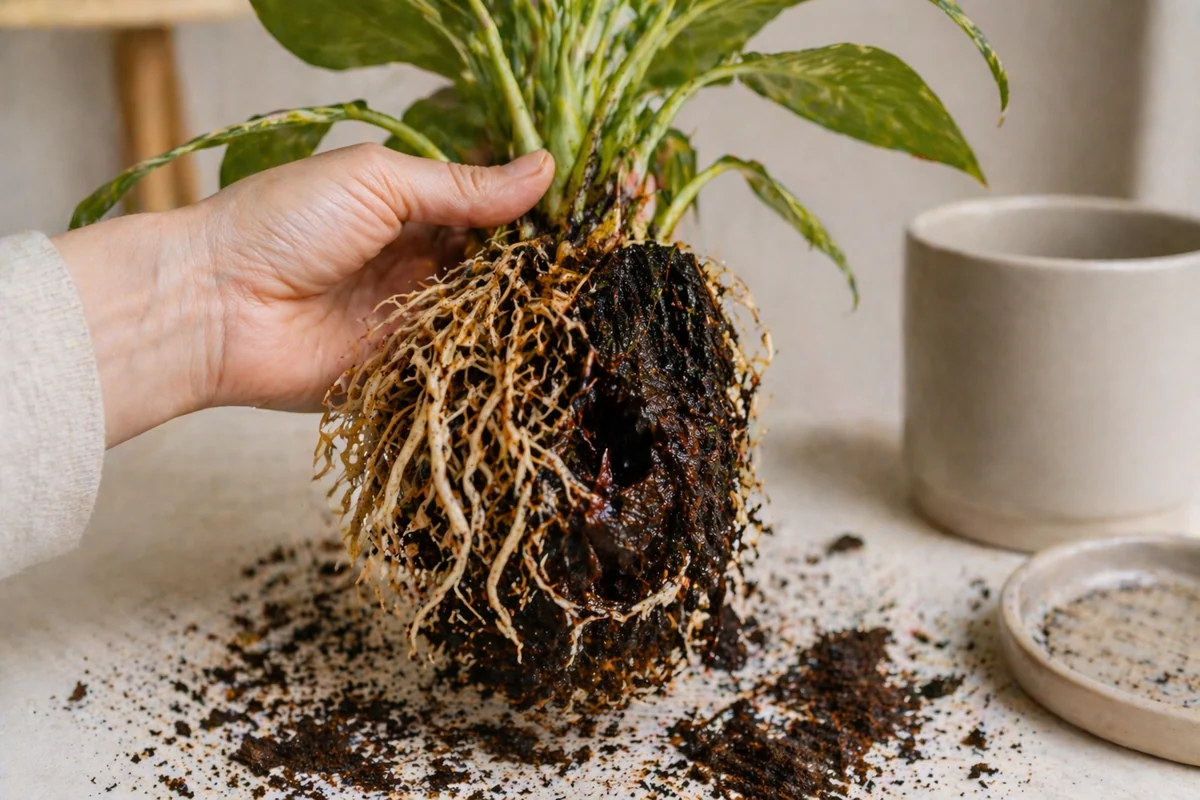
Why it happens: Compacted or damaged roots limit uptake even when soil has moisture.
First correction: Check root condition before increasing water volume again.
If you are still unsure, Plantology's Plant Doctor can track your care history and help narrow likely causes over a few days.
How to fix my plant leaves crispy
Follow these steps in order so you can identify what helps without introducing conflicting changes.
Step 1
Confirm where crisping starts and whether it is still spreading.
Step 2
Water deeply if root zone is dry, then let excess drain completely.
Step 3
Stabilize watering to avoid dry-to-flood extremes.
Step 4
Reduce direct heat and airflow stress around foliage.
Step 5
Trim fully dead tissue only after the plant stabilizes.
Step 6
Recheck after 7 to 14 days and use new growth texture as your marker.
Most common mistake: Changing multiple variables at once and then not knowing what worked.
Plantology's Plant Doctor helps keep changes isolated so you can see which adjustment actually improved the plant.
How to prevent my plant leaves crispy
Use these habits to reduce repeat symptoms and catch stress earlier.
-
Use depth checks and avoid extreme dry-down
Use this as a repeatable care habit so symptoms are easier to compare over time.
-
Keep sensitive plants away from heater and AC drafts
Use this as a repeatable care habit so symptoms are easier to compare over time.
-
Increase humidity around prone species during dry seasons
Use this as a repeatable care habit so symptoms are easier to compare over time.
-
Acclimate gradually when moving to brighter light
Use this as a repeatable care habit so symptoms are easier to compare over time.
-
Track texture of new leaves weekly for early dehydration signs
Use this as a repeatable care habit so symptoms are easier to compare over time.
Pro tip: A short weekly note on watering, light, and leaf changes is often enough to catch patterns early.
If consistency is hard to maintain, Plantology's Plant Doctor can help reveal patterns early.
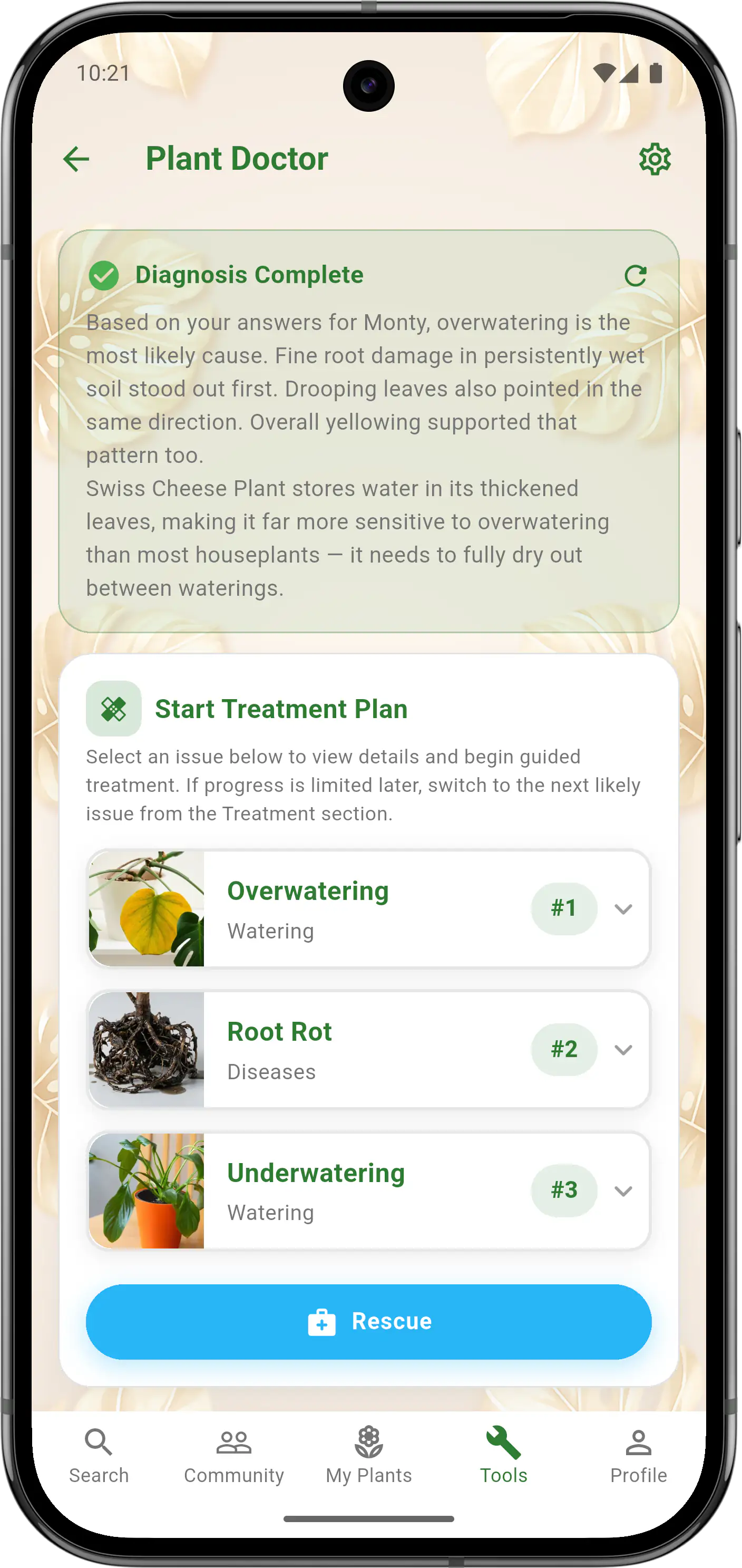
Plant Doctor
Crispy leaves keep returning despite watering?
Plant Doctor helps combine humidity, salt, and moisture clues so recurring crisping is easier to stop.
Pattern clarity
Helps you spot patterns you might miss when symptoms overlap.
Cause separation
Uses recent care history and symptom changes to narrow likely causes.
Guided next steps
Supports observation over time so fixes stay consistent and practical.


Explore More Plant Care Resources
Use the Plant Problem Diagnosis tool — Organize the visible symptom into cautious checks before choosing a treatment.

Frequently Asked Questions
Crispy tissue is usually dehydration damage at the leaf edge or surface. The root cause is often moisture, humidity, salts, or heat stress. For beginners, make one small change at a time and watch the plant for about a week before changing something else.
Not always. Wet-root stress can also create crispy edges because roots stop supplying water effectively. Before deciding, check current light, soil moisture, and root condition so your next step is based on what is actually happening.
Yes. Dry indoor air increases water loss, especially in sensitive foliage plants. Before deciding, check current light, soil moisture, and root condition so your next step is based on what is actually happening.
No, dead crispy tissue does not rehydrate. Recovery is measured by healthier new growth and reduced spread. For beginners, make one small change at a time and watch the plant for about a week before changing something else.
Plantology
Fix Plant Problems With More Confidence
Use Plant Doctor to understand what is happening and choose practical next steps for your plant.
- Check symptoms clearly
- Follow practical treatment steps
- Avoid repeat problems