Monstera yellow leaves usually improve when you address root-zone moisture and drainage first, then tune light and feeding pressure.
Monstera Yellow Leaves: Causes and What to Do


Quick Diagnosis
Monstera yellow leaves: quick diagnosis
Short answer
Monstera yellow leaves are usually a moisture, root, or light-balance signal. First step: Check soil moisture depth and drainage behavior, then inspect roots if yellowing is spreading.
Most likely causes
- Overwatering and poor drainage: yellow leaves appear while mix stays heavy and slow to dry
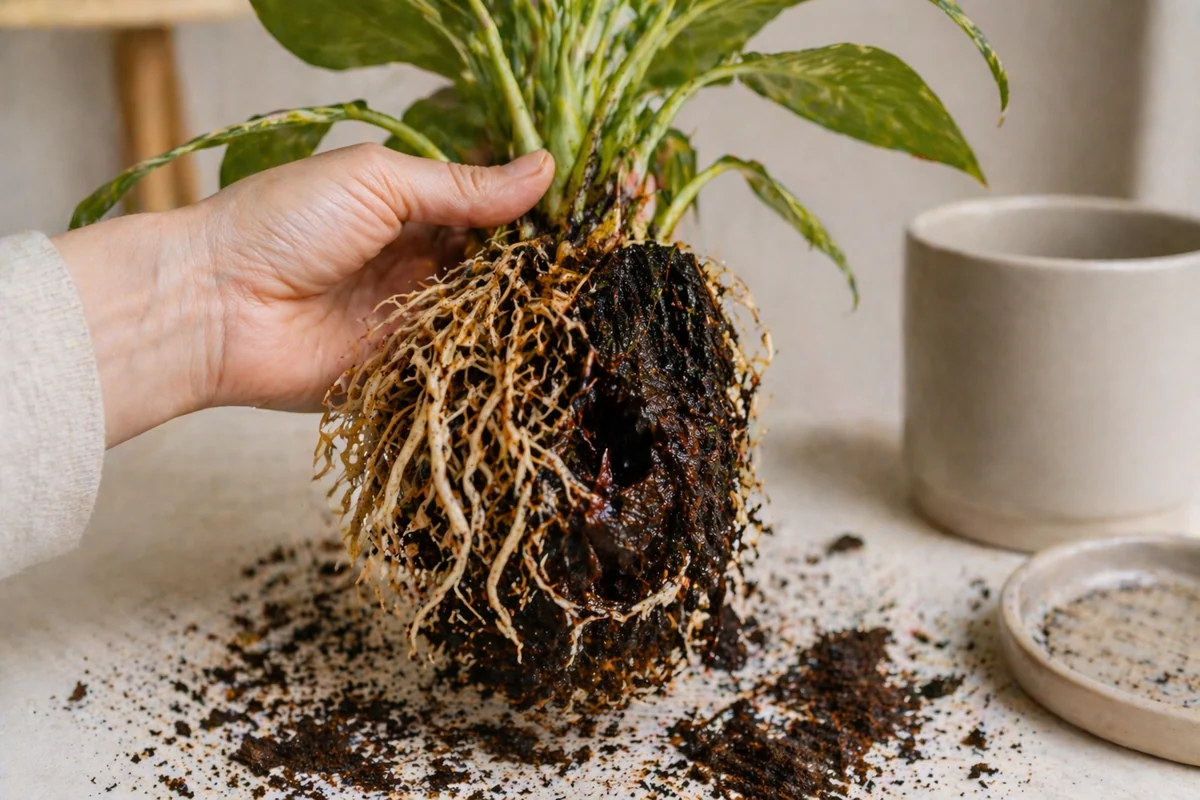
- Root stress or rot: yellowing expands with reduced vigor and soft or dark root sections
- Light mismatch: yellowing occurs in dim placement or after harsh direct-sun exposure
- Nutrient/salt imbalance: yellowing appears with edge burn or soil crust
What to do first
- Confirm whether yellowing is isolated older foliage or active spread
- Correct watering based on root-depth moisture and pot dry-down speed
- Inspect and trim damaged roots, then repot if mix is compacted
- Place in bright indirect light and avoid abrupt exposure jumps
What not to do yet
- Do not change several care variables at once
- Do not add fertilizer before checking moisture, light, and roots
- Do not repot unless roots, drainage, or soil structure point to a root-zone problem
Symptoms to check first
Start with visible symptom patterns first, then move to causes. Symptoms can overlap, so check what you can observe before changing your routine.
Monstera Bottom Leaf Yellow
Track whether yellowing is gradual or sudden, then compare moisture, roots, and recent placement changes.
New Monstera Leaf Yellowing
Track whether yellowing is gradual or sudden, then compare moisture, roots, and recent placement changes.
Monstera Yellow Leaves With Brown Edges
Track whether yellowing is gradual or sudden, then compare moisture, roots, and recent placement changes.
Top causes of monstera yellow leaves
Monstera yellow leaves are usually a moisture, root, or light-balance signal. Symptoms can overlap, so confirm moisture, light, and root-zone conditions before making multiple changes at once.
Check these first
Rule out water, light, and soil conditions before changing your full routine.
Overwatering and poor drainage
Yellow leaves appear while mix stays heavy and slow to dry.
Root stress or rot
Yellowing expands with reduced vigor and soft or dark root sections.
Light mismatch
Yellowing occurs in dim placement or after harsh direct-sun exposure.
Compare related guides for root rot in plants, best soil for indoor plants, compare overwatering and root stress if symptoms overlap.
⚡ Fastest next step: Check soil moisture depth and drainage behavior, then inspect roots if yellowing is spreading.
Tracking moisture patterns over time helps remove guesswork. Plantology's Plant Doctor can automate this so decisions are based on history, not memory.
How to tell which cause fits
Start with the closest match. If several causes seem possible, track what changes over a few days and compare response patterns.
Many plant owners misdiagnose these symptoms because causes overlap. Tracking care history is often the easiest way to separate likely triggers.
Overwatering and poor drainage
What it looks like: Yellow leaves appear while mix stays heavy and slow to dry.
Why it happens: Low root oxygen disrupts normal leaf function.
First correction: Make one targeted adjustment and review response over the next few days.
Root stress or rot
What it looks like: Yellowing expands with reduced vigor and soft or dark root sections.
Why it happens: Damaged roots cannot sustain stable uptake.
First correction: Make one targeted adjustment and review response over the next few days.
Light mismatch
What it looks like: Yellowing occurs in dim placement or after harsh direct-sun exposure.
Why it happens: Either energy deficit or leaf stress can trigger yellowing.
First correction: Make one targeted adjustment and review response over the next few days.
Nutrient/salt imbalance
What it looks like: Yellowing appears with edge burn or soil crust.
Why it happens: Salt accumulation interferes with water and nutrient flow.
First correction: Make one targeted adjustment and review response over the next few days.
If you are still unsure, Plantology's Plant Doctor can track your care history and help narrow likely causes over a few days.
How to fix monstera yellow leaves on houseplants
Follow these steps in order so you can identify what helps without introducing conflicting changes.
Step 1
Confirm whether yellowing is isolated older foliage or active spread.
Step 2
Correct watering based on root-depth moisture and pot dry-down speed.
Step 3
Inspect and trim damaged roots, then repot if mix is compacted.
Step 4
Place in bright indirect light and avoid abrupt exposure jumps.
Step 5
Pause fertilizer until stable new growth resumes.
Step 6
Review progress weekly and adjust one variable at a time.
Most common mistake: Changing multiple variables at once and then not knowing what worked.
Plantology's Plant Doctor helps keep changes isolated so you can see which adjustment actually improved the plant.
How to prevent monstera yellow leaves on houseplants
Use these habits to reduce repeat symptoms and catch stress earlier.
-
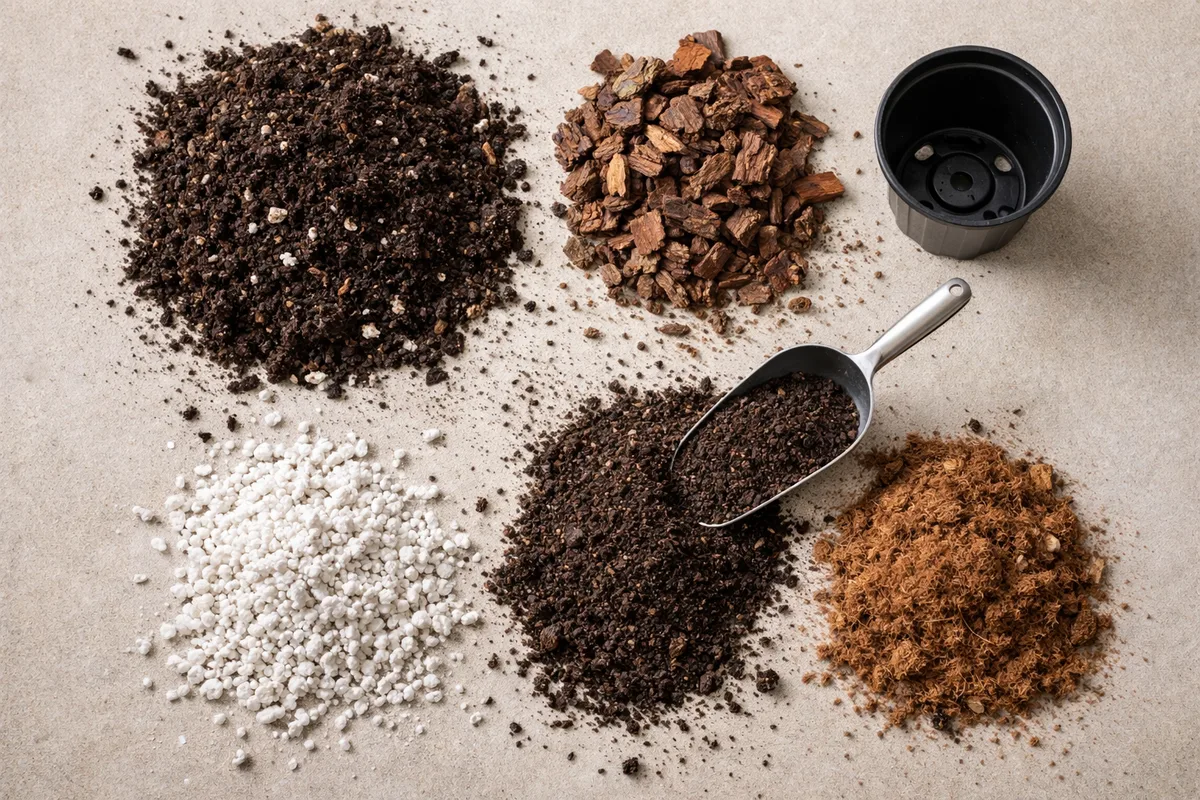
Use breathable mix and drainage containers for stable root oxygen
Use this as a repeatable care habit so symptoms are easier to compare over time.
-
Water monstera based on depth checks and seasonal demand shifts
Use this as a repeatable care habit so symptoms are easier to compare over time.
-
Keep light bright and indirect with gradual placement transitions
Use this as a repeatable care habit so symptoms are easier to compare over time.
-
Flush salts periodically and avoid overfeeding during low growth
Use this as a repeatable care habit so symptoms are easier to compare over time.
-
Track weekly signals so yellowing is addressed before escalation
Use this as a repeatable care habit so symptoms are easier to compare over time.
Pro tip: A short weekly note on watering, light, and leaf changes is often enough to catch patterns early.
If consistency is hard to maintain, Plantology's Plant Doctor can help reveal patterns early.
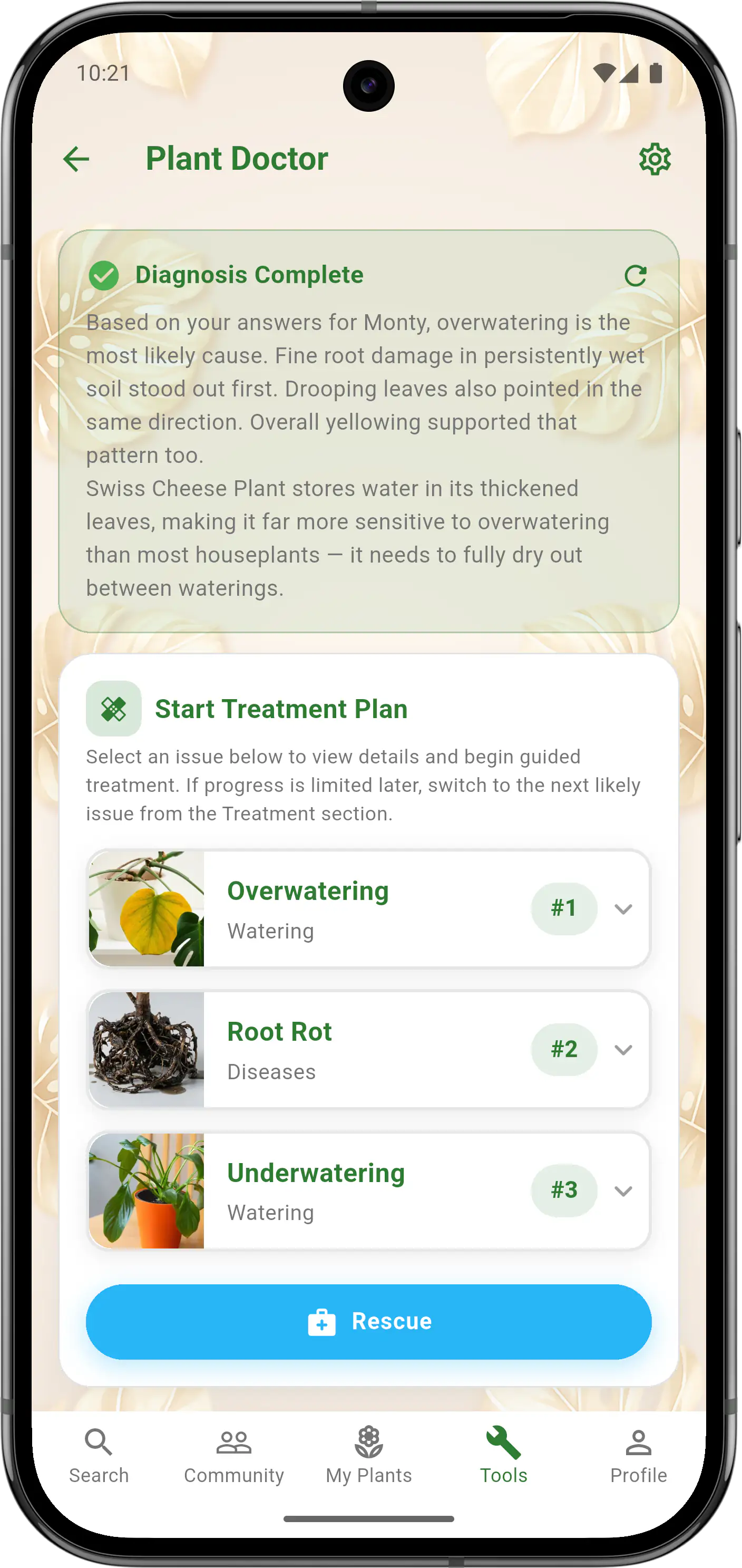
Plant Doctor
Not sure which monstera yellow-leaf cause is most likely?
Plant Doctor helps compare moisture, light, and root clues so your correction path is less trial-and-error.
Pattern clarity
Helps you spot patterns you might miss when symptoms overlap.
Cause separation
Uses recent care history and symptom changes to narrow likely causes.
Guided next steps
Supports observation over time so fixes stay consistent and practical.


Explore More Plant Care Resources
Use the Plant Problem Diagnosis tool — Organize the visible symptom into cautious checks before choosing a treatment.


Frequently Asked Questions
Use a baseline check first so fixes are based on evidence, not guesses. For monstera leaves, avoid broad resets and test one correction at a time. Confirm whether the issue is worsening, stable, or improving before stacking new treatments. Document what changed this week so future decisions stay clear.
Start with one direct check before changing care routines. When yellow monstera is involved, compare current conditions to the last stable week. Check light level, soil moisture depth, and root condition before making changes. Keep a short log so you can stop repeating low-value changes.
It depends on your plant and setup. Keep the first pass simple so you can separate likely causes from noise. With yellowing monstera, document one clear signal before changing routines. Compare symptom timing with your last watering and placement change before doing anything else. Make one small adjustment at a time to avoid overcorrecting.
It depends on your plant and setup. Keep the first pass simple so you can separate likely causes from noise. For remove yellow, prioritize the most direct confirmation step first. Compare symptom timing with your last watering and placement change before doing anything else. Track results for 7 to 14 days so you can confirm what improved.
Plantology
Fix Plant Problems With More Confidence
Use Plant Doctor to understand what is happening and choose practical next steps for your plant.
- Check symptoms clearly
- Follow practical treatment steps
- Avoid repeat problems