Best soil for indoor plants becomes more reliable when you use measurable ranges and repeatable routines instead of generic tips.
Best Soil for Indoor Plants

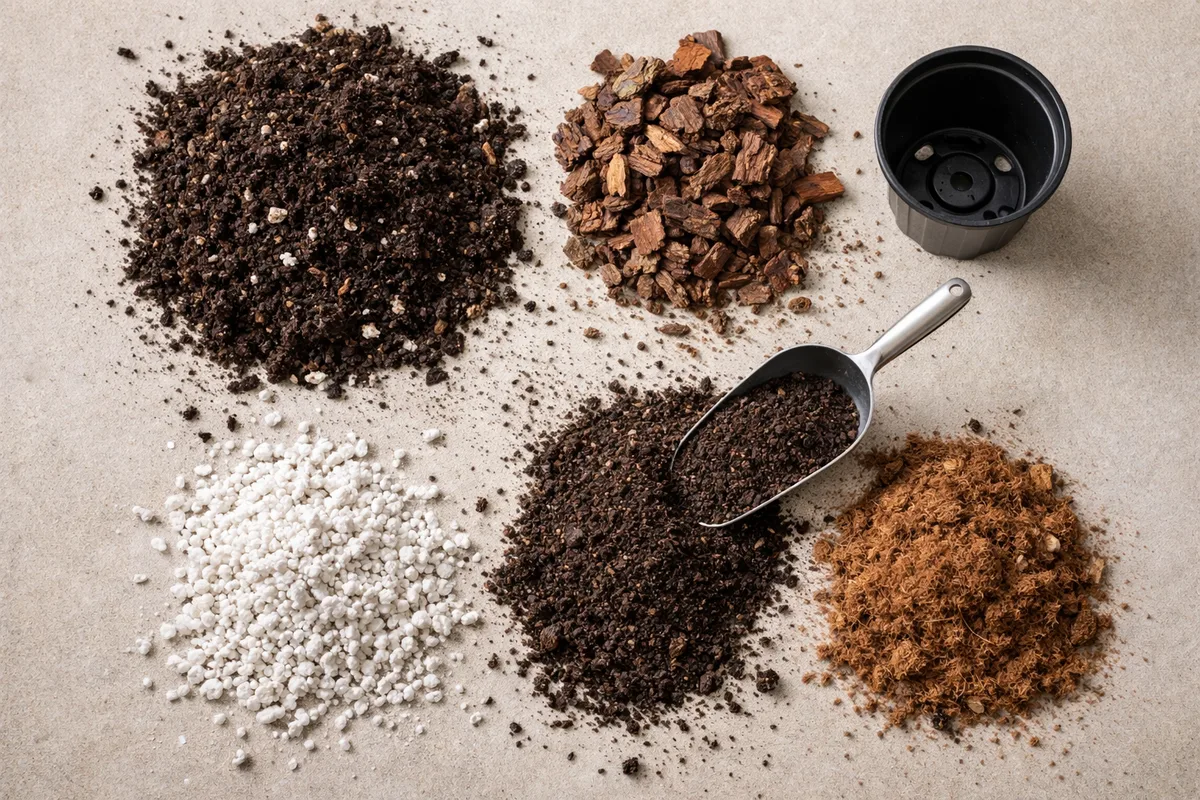
Quick Action Overview
At a glance: what to do first
Build mix by function: retention, aeration, and stability.
Increase aeration for slower-drying rooms and denser root systems.
Test drainage and rewet behavior after mixing.
Refresh structure when compaction increases or dry-down stalls.
Core Explanation
How soil balance actually works
The best soil for indoor plants is a balanced structure: enough retention for hydration and enough aeration for root oxygen.
Water retention
Fine organic particles hold moisture longer, which can help thirsty plants but can also extend wet periods in low light.
Aeration and pore size
Perlite, bark, and pumice create oxygen pathways so roots can respire between watering events.
Structure over time
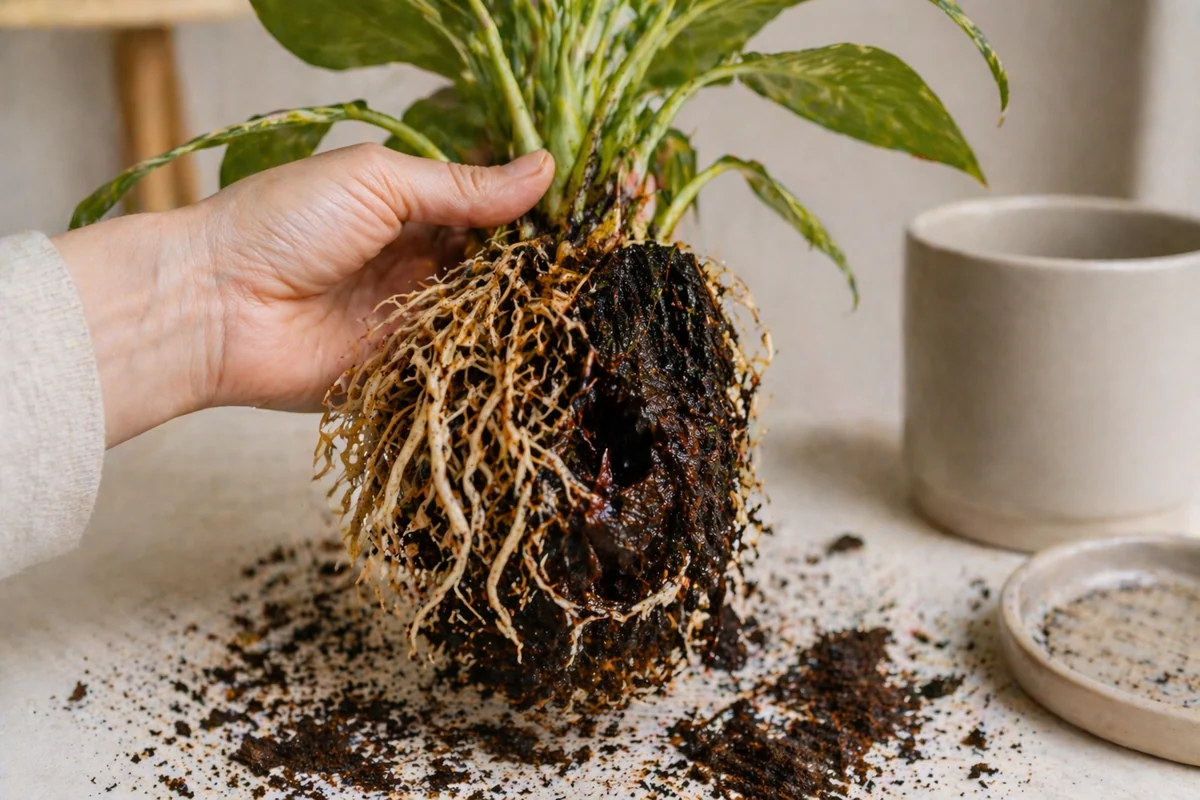
As particles break down, mix compacts and needs refreshing to avoid chronic wet-center stress.
If symptoms overlap, compare root rot in plants and overwatering plants before making multiple changes.
Step-By-Step System
Build a repeatable soil balance system
Step 1 - Start with a base blend
Use a quality indoor potting base as the structural foundation.
Target range: Begin around 50 to 60% base mix for most foliage plants.
Step 2 - Add aeration material
Blend in perlite, pumice, or bark based on dry-down speed.
Target range: Typical aeration target: 25 to 40% depending on room humidity and light.
Step 3 - Add moisture buffer only if needed
Use coco coir or similar retention support for fast-drying setups.
Target range: Usually 10 to 20% is enough for indoor containers.
Step 4 - Run a drainage check
Water fully and monitor runoff time and pot weight change over days.
Target range: Initial runoff should appear quickly and full dry-down should feel predictable week to week.
Why This Works
Why condition-based soil balance decisions are more reliable
Most soil balance problems come from timing mismatches, not effort. When routine and plant demand drift apart, stress builds before symptoms become obvious.
A condition-based approach lowers over-correction. You verify real signals first, then make one change at a time so results are easier to read.
This creates a repeatable system you can adapt through season changes without resetting your entire routine.
Key Variables
Use these variables as your control panel
Water retention
Fine organic particles hold moisture longer, which can help thirsty plants but can also extend wet periods in low light.
Aeration and pore size
Perlite, bark, and pumice create oxygen pathways so roots can respire between watering events.
Structure over time
As particles break down, mix compacts and needs refreshing to avoid chronic wet-center stress.
Common Mistakes
Errors that create avoidable stress
One universal mix
Different root systems and environments dry at different speeds.
Do this instead: Tune ratios by plant type, pot size, and room conditions.
Too much peat-heavy fines
Center layers can stay wet long after the surface appears dry.
Do this instead: Increase coarse aeration fractions to improve oxygen flow.
Ignoring compaction over time
Even a good initial mix can degrade and trigger chronic stress.
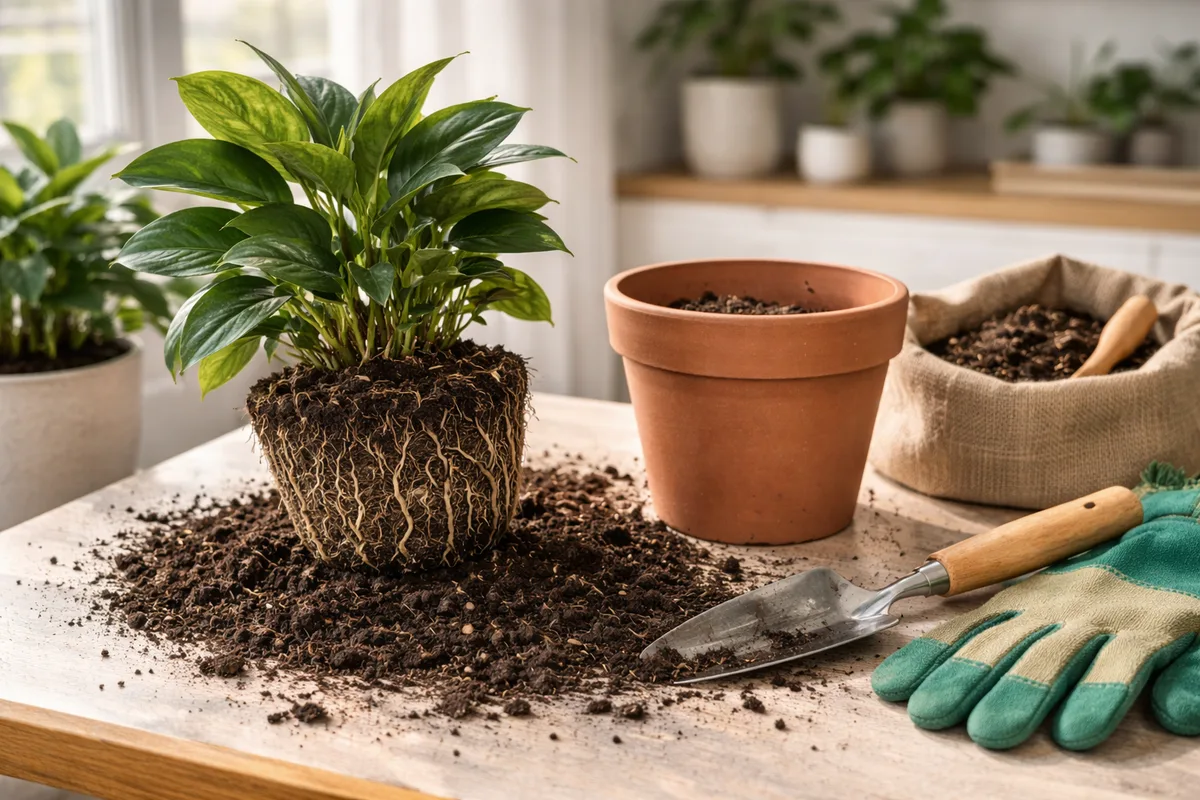
Do this instead: Refresh or repot when dry-down slows and structure collapses.
Practical Ranges
Concrete ranges you can apply immediately
Start with a base blend
Action
Use a quality indoor potting base as the structural foundation.
Target range
Begin around 50 to 60% base mix for most foliage plants.
Add aeration material
Action
Blend in perlite, pumice, or bark based on dry-down speed.
Target range
Typical aeration target: 25 to 40% depending on room humidity and light.
Add moisture buffer only if needed
Action
Use coco coir or similar retention support for fast-drying setups.
Target range
Usually 10 to 20% is enough for indoor containers.
Real Example
Case study: Pothos in a 15 cm indoor pot
Situation
A stable baseline mix can prevent both overwatering and dry swings.
Mistake
Example blend: 55% base mix, 30% perlite or pumice, 15% bark or coco chips.
Adjustment
Typical medium-light dry-down target: around 6 to 10 days before next full watering.
Result
If pot stays wet beyond about 12 days, raise aeration by around 10%.
Smart Care
Turn Plant Advice Into a Routine You Can Keep
Smart Care helps you stay on track with watering, feeding, and repotting so your plants stay healthier over time.
Stay consistent
Helpful reminders keep watering, feeding, and repotting on track.
See what is working
Care history helps you notice patterns before problems get worse.
Adjust with confidence
Simple guidance helps you improve your routine over time.



Frequently Asked Questions
A balanced indoor mix usually combines retention and aeration, often around 50 to 60% base mix plus 25 to 40% coarse aeration components, then small moisture buffers as needed. Pick the option that fits your light, schedule, and room setup, because fit matters more than trends.
No. Fast-rooting vines, thick-rooted aroids, and drought-tolerant plants often need different aeration levels and dry-down speeds. Before deciding, check current light, soil moisture, and root condition so your next step is based on what is actually happening.
A practical starting range is about 25 to 40%, then adjust in 5 to 10% steps based on actual dry-down and root response. A simple way to do this is to check light and soil moisture first, then track the result for 7 to 14 days.
Replace or refresh when mix compacts, rewetting becomes uneven, or wet periods become prolonged despite unchanged watering habits. For beginners, make one small change at a time and watch the plant for about a week before changing something else.
Plantology
Keep learning and caring with confidence
Use Plantology to solve plant problems sooner, stay consistent with care, and choose plants that fit your home.