Why is my plant leaning toward the light is usually normal phototropism, but strong lean can become structural stress if ignored. Correction is about balanced light access, not forcing stems straight overnight.
Why Is My Plant Leaning Toward the Light

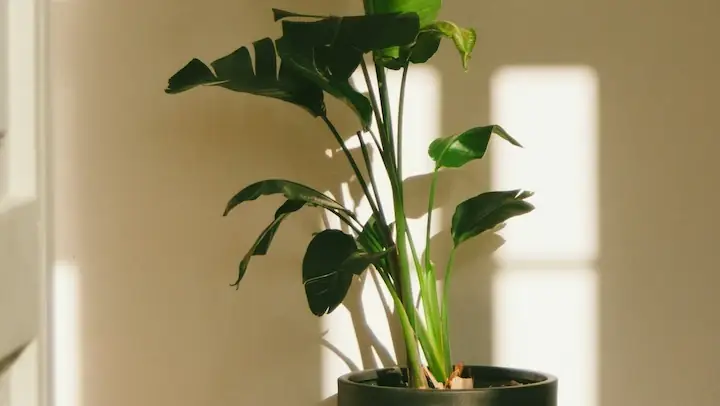
Quick Diagnosis
My plant leaning toward the light: quick diagnosis
Short answer
Leaning is usually directional-light response and can overlap with low-light stretching. First step: Check light direction and intensity where the canopy sits, then review rotation routine.
Most likely causes
- Directional light imbalance: plant repeatedly reaches toward one brighter side
- Overall low light: lean appears with stretch and weak internodes
- Weak structural growth: stem cannot support canopy upright
- Micro-environment imbalance: lean aligns with obstructions or local airflow patterns
What to do first
- Measure current lean direction and whether it is increasing weekly
- Rotate gradually on a schedule instead of one full sudden turn
- Increase total light exposure to reduce reaching pressure
- Stake lightly if needed while new balanced growth develops
What not to do yet
- Do not change several care variables at once
- Do not add fertilizer before checking moisture, light, and roots
- Do not repot unless roots, drainage, or soil structure point to a root-zone problem
Symptoms to check first
Start with visible symptom patterns first, then move to causes. Symptoms can overlap, so check what you can observe before changing your routine.
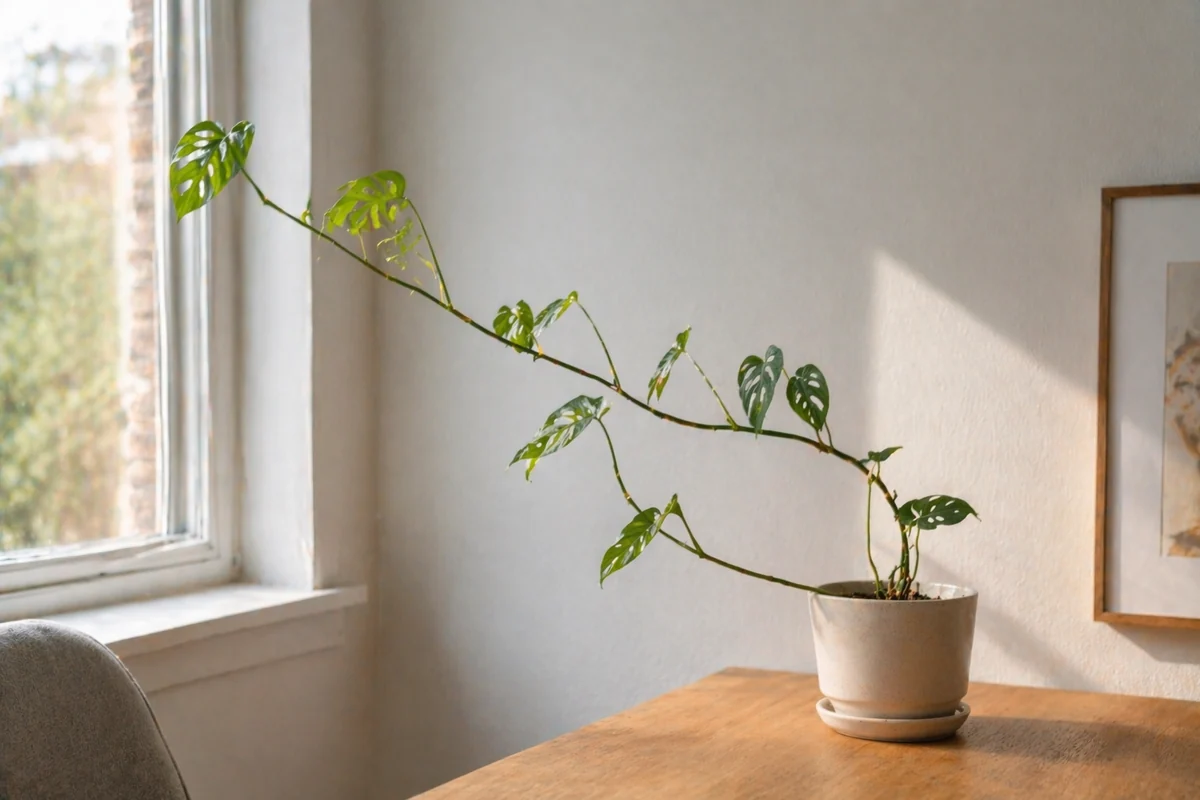
Stem Bending Toward One Window
This is a classic directional-light response and usually appears gradually.
Canopy Heavier On One Side
Uneven light creates uneven growth mass that increases lean.
Lean Returns Quickly After Turning
Fast re-leaning often means total light is still too low or too one-sided.
Top causes of my plant leaning toward the light
Leaning is usually directional-light response and can overlap with low-light stretching. Symptoms can overlap, so confirm moisture, light, and root-zone conditions before making multiple changes at once.
Check these first
Rule out water, light, and soil conditions before changing your full routine.
Directional light imbalance
Plant repeatedly reaches toward one brighter side.
Overall low light
Lean appears with stretch and weak internodes.
Weak structural growth
Stem cannot support canopy upright.
Compare related guides for why is my plant growing leggy, how much light do indoor plants need lux guide, review common houseplant mistakes if symptoms overlap.
⚡ Fastest next step: Check light direction and intensity where the canopy sits, then review rotation routine.
Tracking moisture patterns over time helps remove guesswork. Plantology's Plant Doctor can automate this so decisions are based on history, not memory.
How to tell which cause fits
Start with the closest match. If several causes seem possible, track what changes over a few days and compare response patterns.
Many plant owners misdiagnose these symptoms because causes overlap. Tracking care history is often the easiest way to separate likely triggers.
Directional light imbalance
What it looks like: Plant repeatedly reaches toward one brighter side.
Why it happens: Growth hormones elongate the shaded side to chase light.
First correction: Rotate the pot a quarter turn weekly and improve ambient light.
Overall low light
What it looks like: Lean appears with stretch and weak internodes.
Why it happens: Low total intensity amplifies directional reaching.
First correction: Move to brighter indirect light over several days.
Weak structural growth
What it looks like: Stem cannot support canopy upright.
Why it happens: Stretch growth produces weaker support tissue.
First correction: Use temporary support while building stronger new growth in better light.
Micro-environment imbalance
What it looks like: Lean aligns with obstructions or local airflow patterns.
Why it happens: Uneven surroundings reinforce one-sided growth pressure.
First correction: Recenter placement and clear obstacles around the plant.
If you are still unsure, Plantology's Plant Doctor can track your care history and help narrow likely causes over a few days.
How to fix my plant leaning toward the light
Follow these steps in order so you can identify what helps without introducing conflicting changes.
Step 1
Measure current lean direction and whether it is increasing weekly.
Step 2
Rotate gradually on a schedule instead of one full sudden turn.
Step 3
Increase total light exposure to reduce reaching pressure.
Step 4
Stake lightly if needed while new balanced growth develops.
Step 5
Prune selectively after light correction to rebalance canopy load.
Step 6
Recheck in 2 to 3 weeks and track whether new growth centers.
Most common mistake: Changing multiple variables at once and then not knowing what worked.
Plantology's Plant Doctor helps keep changes isolated so you can see which adjustment actually improved the plant.
How to prevent my plant leaning toward the light
Use these habits to reduce repeat symptoms and catch stress earlier.
-
Rotate plants regularly in one-sided light setups
Use this as a repeatable care habit so symptoms are easier to compare over time.
-
Improve total light, not just directional brightness
Use this as a repeatable care habit so symptoms are easier to compare over time.
-
Prune periodically to keep canopy weight balanced
Use this as a repeatable care habit so symptoms are easier to compare over time.
-
Avoid abrupt relocations that trigger rapid re-leaning
Use this as a repeatable care habit so symptoms are easier to compare over time.
-
Track new growth direction as an early signal
Use this as a repeatable care habit so symptoms are easier to compare over time.
Pro tip: A short weekly note on watering, light, and leaf changes is often enough to catch patterns early.
If consistency is hard to maintain, Plantology's Plant Doctor can help reveal patterns early.
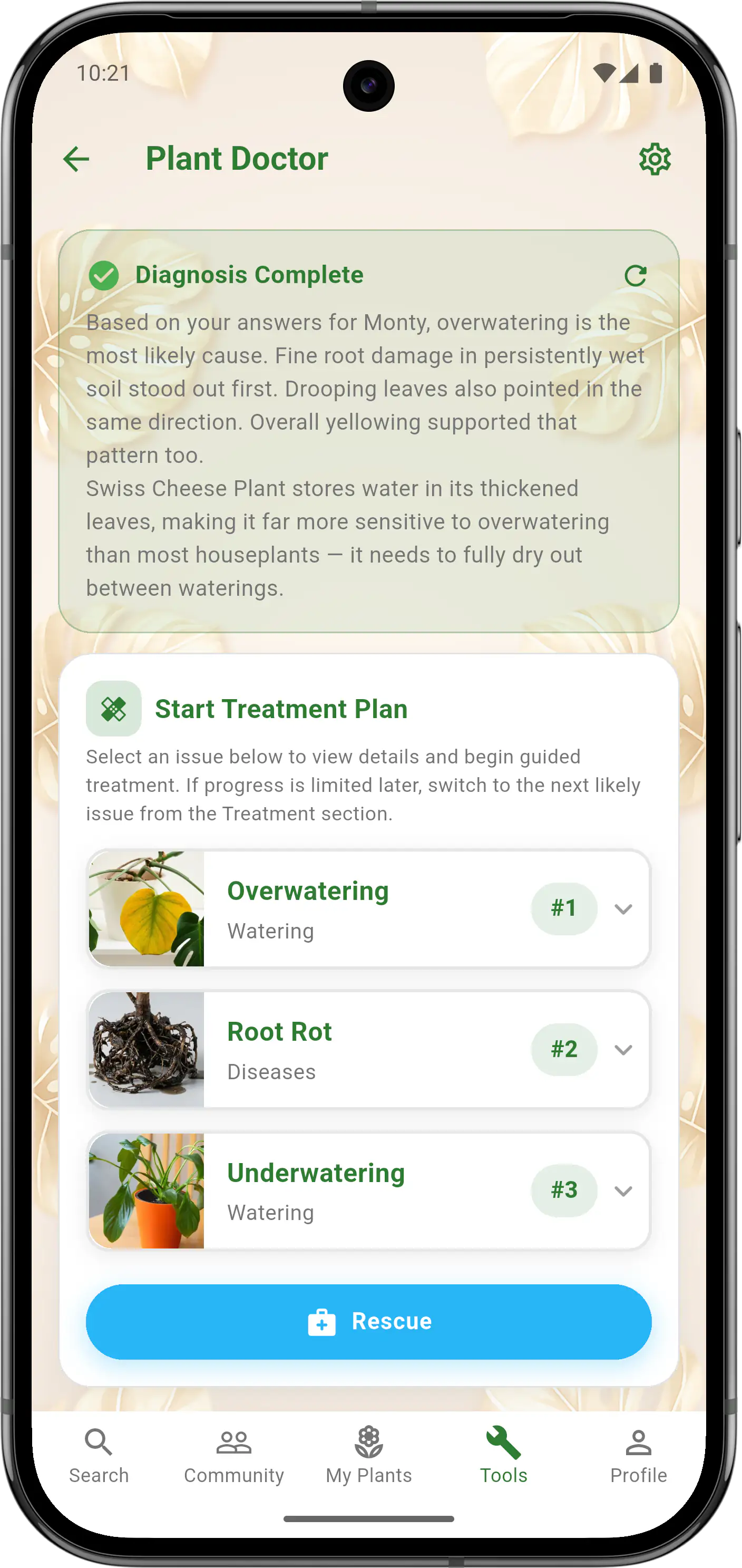
Plant Doctor
Leaning because of direction only, or also low light?
Plant Doctor helps separate phototropism from low-light stretch so your next move is more accurate.
Pattern clarity
Helps you spot patterns you might miss when symptoms overlap.
Cause separation
Uses recent care history and symptom changes to narrow likely causes.
Guided next steps
Supports observation over time so fixes stay consistent and practical.


Explore More Plant Care Resources
Use the Plant Problem Diagnosis tool — Organize the visible symptom into cautious checks before choosing a treatment.

Frequently Asked Questions
Plants naturally grow toward stronger light. One-sided indoor window light makes this especially visible. For beginners, make one small change at a time and watch the plant for about a week before changing something else.
Not always, but severe leaning can weaken structure and create uneven growth. Before deciding, check current light, soil moisture, and root condition so your next step is based on what is actually happening.
Here is the simplest way to start. Improve light balance, rotate regularly, and prune or support stems if needed. A simple way to do this is to check light and soil moisture first, then track the result for 7 to 14 days.
Yes in most one-sided light setups. Rotation helps maintain a more even canopy shape. Before deciding, check current light, soil moisture, and root condition so your next step is based on what is actually happening.
Plantology
Fix Plant Problems With More Confidence
Use Plant Doctor to understand what is happening and choose practical next steps for your plant.
- Check symptoms clearly
- Follow practical treatment steps
- Avoid repeat problems