Tiny white insects flutter up
You see a quick white cloud when you touch or shake foliage.
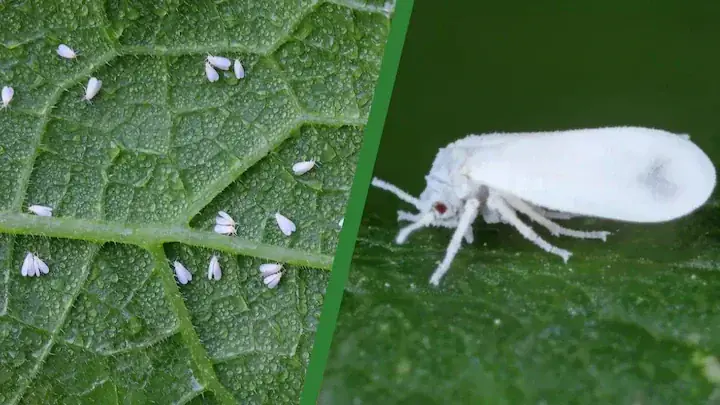
Why are there whiteflies on my plant usually means small sap-feeding insects are hiding under leaves, where they multiply fast and leave sticky residue.
⚡ Quick Answer
Most likely cause: Whiteflies
Usually appears as tiny white flying insects that rest under leaves and leave sticky honeydew.
Start with what you can clearly see right now before changing treatment or care variables.
You see a quick white cloud when you touch or shake foliage.
Leaves may feel tacky from honeydew.
Sap feeding can slowly reduce plant vigor.
Adults and immature stages gather under leaves.
Inspect these locations before locking your diagnosis.
This is the main hiding and feeding zone for whiteflies.
Fresh growth is softer and often targeted first.
Nymphs settle along veins where sap access is easiest.
Adults move between close plants and start new colonies.
Use this quick contrast to reduce misdiagnosis before treatment.
Gnats come from soil and fly around pots, while whiteflies rise from leaves.
Aphids cluster as pear-shaped bugs; they do not fly up in white clouds as often.
Dust wipes off and does not fly when foliage is disturbed.
Choose the closest driver first, then run one correction at a time.
What it looks like: Top leaves look fine at first while undersides are active.
Why it happens: Quick top-down checks miss where whiteflies live.
First correction: Isolate, clean visible activity, and begin repeat treatment cadence.
What it looks like: Numbers rise again after one cleanup.
Why it happens: Egg and nymph stages survive without repeat rounds.
First correction: Isolate, clean visible activity, and begin repeat treatment cadence.
What it looks like: Multiple nearby plants start showing fluttering adults.
Why it happens: Adults move easily between close plants.
First correction: Isolate, clean visible activity, and begin repeat treatment cadence.
What it looks like: Pressure builds in warm rooms with little disruption.
Why it happens: Comfortable indoor conditions support faster reproduction.
First correction: Isolate, clean visible activity, and begin repeat treatment cadence.
Before you treat, run these checks to confirm you are targeting the right problem.
Shake-test a branch
Tiny white adults lift off and resettle on leaf undersides.
Inspect underside with bright light
You see small pale nymphs stuck to lower leaf surfaces.
Touch-test for stickiness
Leaves feel tacky from honeydew in active infestations.
Recheck after 3 days
New adults appear if treatment coverage or repeat timing was incomplete.
Follow the sequence without skipping repeat cycles.
Isolate the plant
Move the plant away from others so adults cannot spread as easily.
Rinse hidden surfaces
Spray undersides, stems, and leaf bases where most whiteflies stay.
Apply full-coverage treatment
Coat both leaf sides, especially undersides, not just visible adults.
Repeat on a strict schedule
Continue repeat rounds so newly emerged stages are also controlled.
Inspect nearby pots
Look for early fluttering adults on surrounding plants and act quickly.
Track clean new growth
Recovery is confirmed when fresh leaves stay free of sticky buildup and adults.
⚠ Escalate quickly if you notice:
Use these habits to reduce reinfestation risk and catch activity early.
Do weekly underside inspections
Whiteflies establish early where quick checks usually miss.
Quarantine new plants
Many indoor outbreaks start with unnoticed hitchhikers.
Keep yellow sticky cards nearby
Cards show early adult activity before damage becomes obvious.
Act on the first flutter
Early intervention is much easier than clearing a heavy colony.
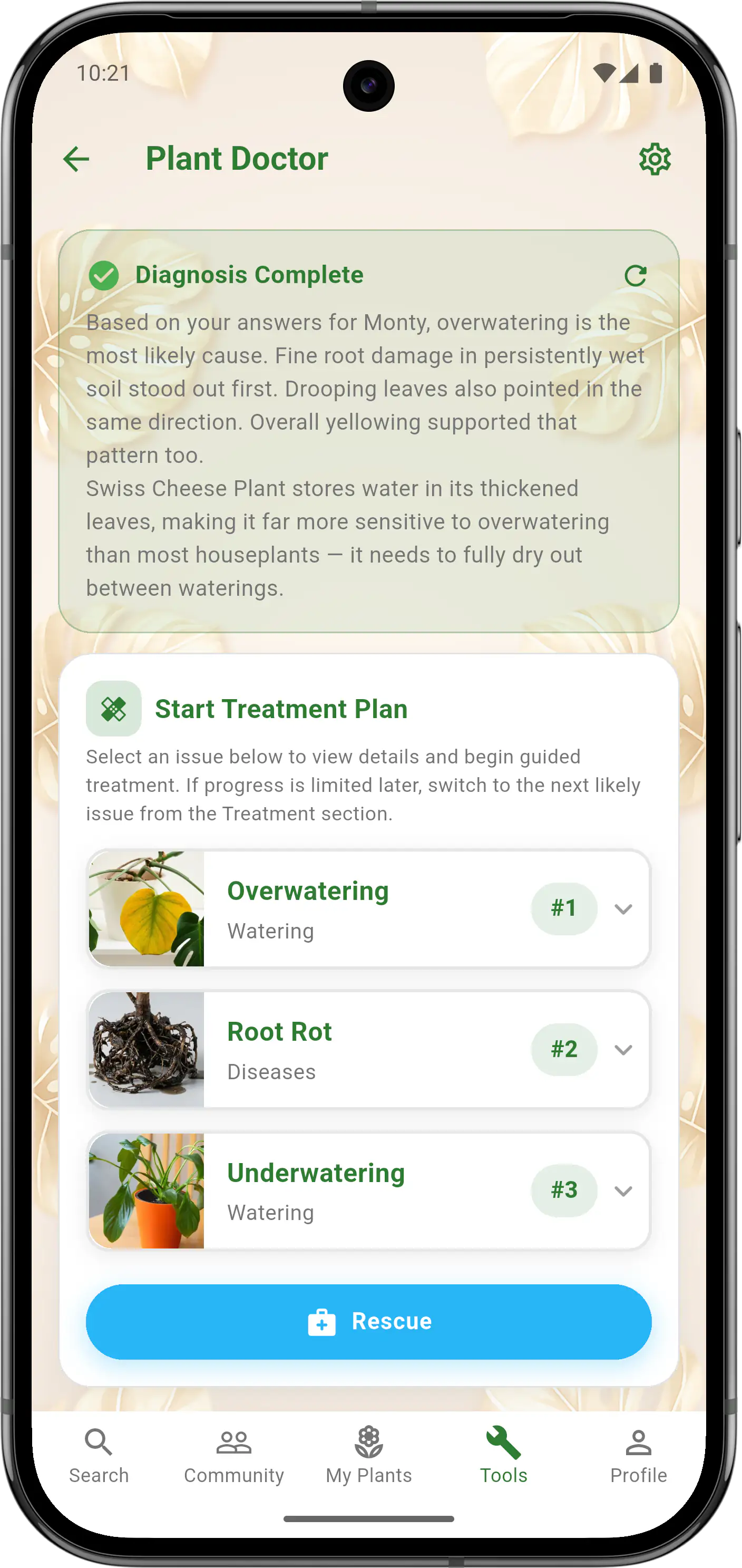
Plant Doctor
Plant Doctor helps separate whiteflies from gnats and other lookalikes so treatment starts fast and stays focused.
Helps you spot patterns you might miss when symptoms overlap.
Uses recent care history and symptom changes to narrow likely causes.
Supports observation over time so fixes stay consistent and practical.
📋 Related Resources
Explore all 20 pages by category.
Open species-level care pages.
Reference a full profile with ranges and schedules.
Go to the app area that helps most with this guide topic.
Compare common tiny pest patterns.
Rule out fungus gnats when flies are present.
Why are there whiteflies on my plant usually means tiny sap-feeding insects have settled on leaf undersides. They often appear as small white moth-like insects that fly up when disturbed.
Here is the simplest way to start. Gently shake the plant or tap a leaf. If tiny white insects flutter up and return to undersides, whiteflies are very likely.
Here is the key point. Isolate the plant, rinse leaf undersides, and start a repeat treatment cycle. One spray is rarely enough because eggs and nymph stages are easy to miss.
Yes, they can rebound if follow-up rounds are skipped. Consistent repeat checks are what break the cycle. Before deciding, check current light, soil moisture, and root condition so your next step is based on what is actually happening.
 Plantology
Use Plant Doctor to identify likely pests and follow practical treatment steps that are easier to stick with.