Silvery streaks on leaves
Leaves look scraped or shiny when tilted in light.
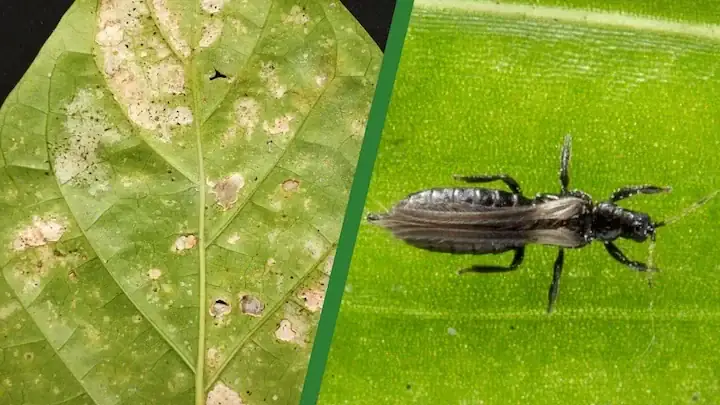
Why are there thrips on my plant is usually solved fastest by checking for silvery streaks, tiny black specks, and very small fast-moving insects on new growth.
⚡ Quick Answer
Most likely cause: Thrips
Usually shows as silvery streaks with tiny black specks, especially on fresh growth.
Start with what you can clearly see right now before changing treatment or care variables.
Leaves look scraped or shiny when tilted in light.
Pepper-like dots often sit near the damaged areas.
Fresh leaves can curl, twist, or open unevenly.
Buds can fail early and petals may look scarred.
Inspect these locations before locking your diagnosis.
Thrips often hide here and feed before top-side damage is obvious.
Soft tissue is easier to feed on, so early signs show here first.
Thrips gather in tight floral spaces where sprays miss easily.
Some life stages drop to the soil, so rebounds can start there.
Use this quick contrast to reduce misdiagnosis before treatment.
Mites usually leave fine webbing; thrips usually leave black specks and silvery streaks.
Deficiency causes broader color change, not scratch-like silver feeding scars.
Handling damage does not keep spreading or produce black specks.
Choose the closest driver first, then run one correction at a time.
What it looks like: Damage starts on new leaves and soft tissue first.
Why it happens: Thrips prefer young tissue because it is easier to pierce and feed on.
First correction: Isolate, clean visible activity, and begin repeat treatment cadence.
What it looks like: Population rebounds quickly after one cleanup.
Why it happens: Hidden stages survive light treatment and reappear fast.
First correction: Isolate, clean visible activity, and begin repeat treatment cadence.
What it looks like: Nearby plants begin showing similar silver marks.
Why it happens: Thrips move easily between closely placed plants.
First correction: Isolate, clean visible activity, and begin repeat treatment cadence.
What it looks like: Infestation rises faster in warm, low-humidity rooms.
Why it happens: Those conditions favor faster population growth.
First correction: Isolate, clean visible activity, and begin repeat treatment cadence.
Before you treat, run these checks to confirm you are targeting the right problem.
Tap leaves over white paper
Tiny slender insects move quickly across the paper surface.
Check for black specks
Pepper-like droppings appear near silver or pale feeding marks.
Look for webbing
If webbing is absent, thrips become more likely than spider mites.
Recheck after 3 days
Fresh silver marks signal active feeding and confirm ongoing thrips pressure.
Follow the sequence without skipping repeat cycles.
Isolate affected plants
Move the plant away from others to reduce immediate spread.
Rinse hidden surfaces
Flush undersides, stems, and buds where thrips hide most.
Apply treatment evenly
Cover all leaf surfaces and growth points, not just visible marks.
Repeat on schedule
Continue repeat cycles to catch hatch stages that appear after first spray.
Check surrounding plants
Scan nearby plants for early silver marks or black specks.
Track fresh damage
Confirm progress by watching whether new leaves stay clean.
⚠ Escalate quickly if you notice:
Use these habits to reduce reinfestation risk and catch activity early.
Run weekly underside checks
Thrips hide early on undersides before top-leaf damage looks obvious.
Quarantine new arrivals
New plants often introduce hidden eggs or early stages.
Keep spacing open
Better airflow and visibility make early detection easier.
Act at first silver marks
Early treatment prevents heavy rebounds and flower damage.
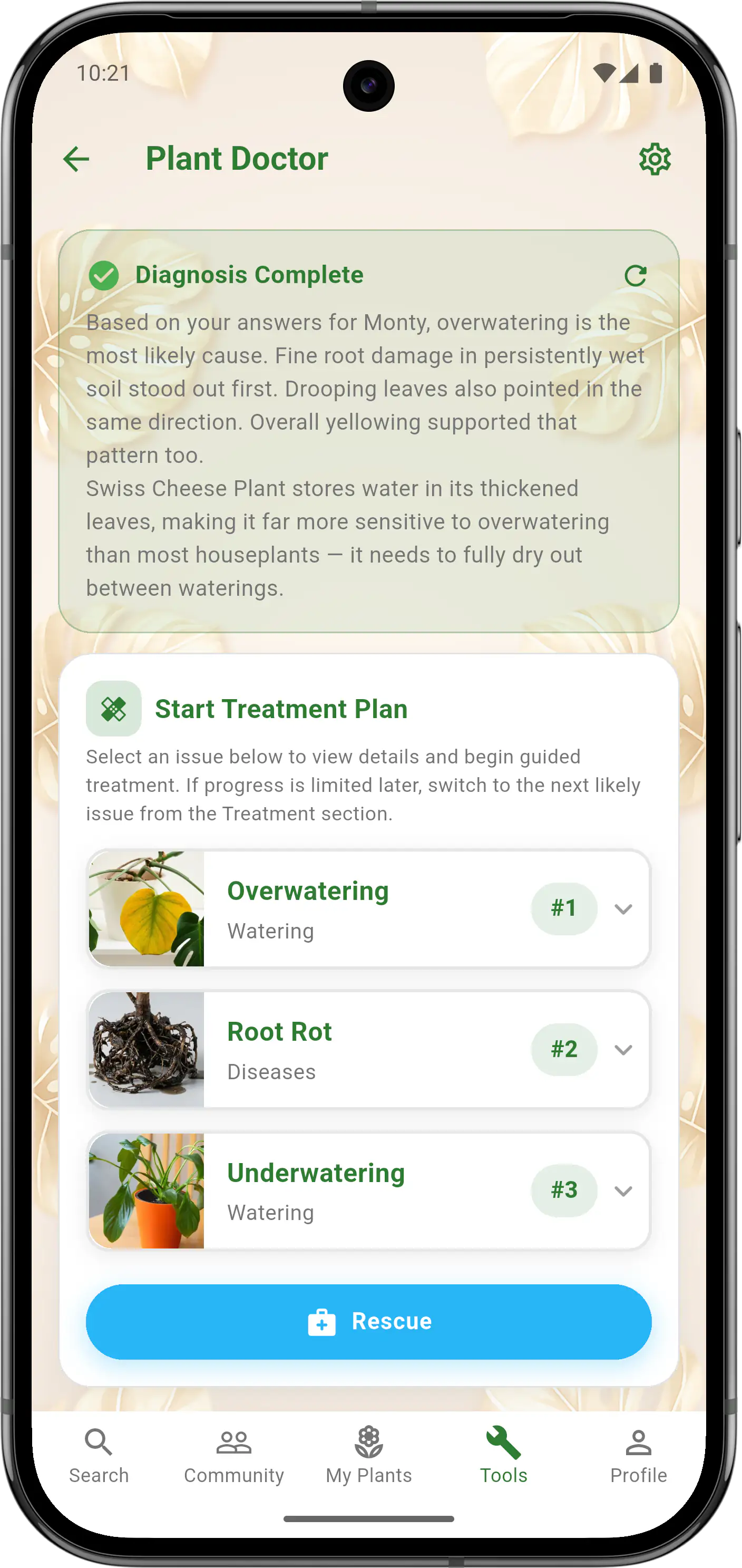
Plant Doctor
Plant Doctor helps compare silver scarring, black specks, and spread pattern so your treatment starts on the right target.
Helps you spot patterns you might miss when symptoms overlap.
Uses recent care history and symptom changes to narrow likely causes.
Supports observation over time so fixes stay consistent and practical.
📋 Related Resources
Explore all 20 pages by category.
Open species-level care pages.
Reference a full profile with ranges and schedules.
Go to the app area that helps most with this guide topic.
Compare common tiny pest patterns.
Rule out spider mites quickly.
Why are there thrips on my plant usually means tiny rasping insects are feeding on tender leaves and flowers. Their feeding leaves silvery scars and black specks that build over time.
To confirm thrips, look for silver streaking plus black specks and no webbing. Spider mites usually show fine webbing, while thrips damage is more scratch-like and streaky.
The first step is to isolate the plant and rinse leaf undersides and growth tips thoroughly. Then apply a repeat treatment cycle, because one pass rarely catches all life stages.
Yes, thrips often come back after one spray because eggs and hidden stages survive. Repeating treatment on schedule is what breaks the cycle and protects new growth.
 Plantology
Use Plant Doctor to identify likely pests and follow practical treatment steps that are easier to stick with.