Nighttime crawler activity
You see many-legged pests mostly at dusk or overnight.
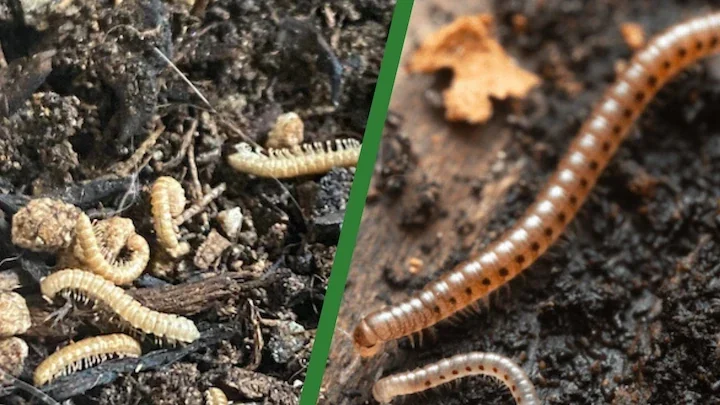
Why are there millipedes and centipedes in my soil usually means the area stays damp and rich in debris, but only millipedes are likely to nibble soft plant tissue while centipedes mainly hunt other bugs.
⚡ Quick Answer
Most likely cause: Moist debris-rich habitat
Usually appears when pots and nearby surfaces stay damp with organic clutter.
Start with what you can clearly see right now before changing treatment or care variables.
You see many-legged pests mostly at dusk or overnight.
Millipedes can leave ragged nibble marks on very soft tissue.
Heavy mulch and dead plant matter are usually present.
They return quickly if habitat stays damp and sheltered.
Inspect these locations before locking your diagnosis.
Dark damp spots are prime hiding zones.
Debris layers provide food and cover for millipedes.
This is where nibble damage is easiest to spot.
Both groups move through sheltered edges during migrations.
Use this quick contrast to reduce misdiagnosis before treatment.
Slugs leave slime trails; millipedes and centipedes do not.
Pillbugs have fewer legs and some roll into a ball.
Disease collapse lacks visible many-legged crawlers and chewing signs.
Choose the closest driver first, then run one correction at a time.
What it looks like: Mulch, litter, and wet organic matter build up.
Why it happens: These conditions provide food and shelter.
First correction: Isolate, clean visible activity, and begin repeat treatment cadence.
What it looks like: Pots and nearby surfaces stay damp for long stretches.
Why it happens: Moisture helps these crawlers survive and gather.
First correction: Isolate, clean visible activity, and begin repeat treatment cadence.
What it looks like: Many hiding places under trays, boards, and cracks.
Why it happens: Protected spaces support daytime hiding and nighttime feeding.
First correction: Isolate, clean visible activity, and begin repeat treatment cadence.
What it looks like: Surges happen after rain or sudden dry periods.
Why it happens: Population movement increases when outside conditions shift.
First correction: Isolate, clean visible activity, and begin repeat treatment cadence.
Before you treat, run these checks to confirm you are targeting the right problem.
Night inspection with flashlight
Activity is highest at night around damp shelter points.
Check body shape
Millipedes are rounder and slow; centipedes are flatter and faster.
Inspect for slime trails
No slime supports crawler diagnosis over slugs.
Track after cleanup
Counts should drop if moisture and debris are corrected.
Follow the sequence without skipping repeat cycles.
Cut excess moisture
Let topsoil and surrounding surfaces dry more between waterings.
Remove habitat clutter
Clear leaf litter, soggy mulch, and decaying debris near plants.
Clean hidden zones
Check under pots, trays, and boards where crawlers shelter.
Manual evening removal
Collect visible millipedes and centipedes during peak nighttime activity.
Protect vulnerable seedlings
Use simple barriers and keep seedling areas extra clean and dry.
Track weekly counts
Confirm whether sightings and fresh damage are consistently dropping.
⚠ Escalate quickly if you notice:
Use these habits to reduce reinfestation risk and catch activity early.
Do weekly habitat cleanup
Removing shelter points lowers both millipede and centipede pressure.
Avoid constantly wet surfaces
Dryer conditions make the area less favorable for crawlers.
Lift pots during checks
Early detection under pots prevents hidden buildup.
Protect seedling zones
Tender seedlings are the most likely place to see chewing from millipedes.

Plant Doctor
Plant Doctor helps connect moisture, habitat clutter, and damage pattern so your cleanup and prevention steps stay focused.
Helps you spot patterns you might miss when symptoms overlap.
Uses recent care history and symptom changes to narrow likely causes.
Supports observation over time so fixes stay consistent and practical.
📋 Related Resources
Explore all 20 pages by category.
Open species-level care pages.
Reference a full profile with ranges and schedules.
Go to the app area that helps most with this guide topic.
Compare crawler behavior in the root zone.
Differentiate crawling pests from flying soil pests.
Why are there millipedes and centipedes in my soil usually points to damp, debris-heavy habitat around pots and beds. These conditions give both groups shelter and food.
Centipedes are usually predators that hunt other small pests rather than chewing leaves. They can look alarming, but they are often less harmful to plants than millipedes.
Millipedes can nibble tender seedlings, soft roots, and low fruit when populations are high. Damage is more likely when plants are stressed and organic debris is abundant.
Lower moisture, remove debris, and clean hiding spots first. Habitat cleanup is the most reliable way to reduce both millipedes and centipedes long term.
 Plantology
Use Plant Doctor to identify likely pests and follow practical treatment steps that are easier to stick with.