Why are my plant leaves curling is easiest to solve when you separate dry crispy curl, soft rolled curl, and pest-linked curl. They look similar at first, but the fix path differs.
Why Are My Plant Leaves Curling

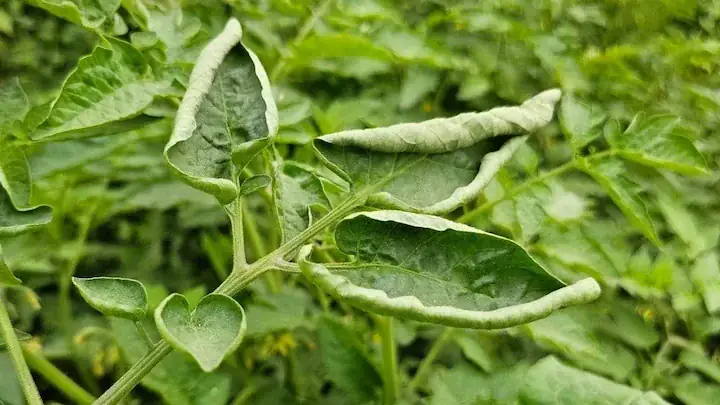
Quick Diagnosis
My plant leaves curling: quick diagnosis
Short answer
Curling is a symptom pattern that needs moisture, pest, and environment checks to confirm cause. First step: Check moisture depth and inspect leaf undersides before changing multiple care variables.
Most likely causes
- Moisture stress: curl worsens after long dry-down or erratic watering
- Heat and low humidity: curl worsens near hot windows or vents
- Pest pressure on new growth: curl appears with speckling, streaking, or visible insects
- Root-zone limitation: curl persists despite leaf-level adjustments
What to do first
- Identify curl type first so you do not treat the wrong cause
- Confirm root-zone moisture and recent watering history
- Reduce heat and direct airflow stress around affected foliage
- Inspect new growth and undersides for pest clues
What not to do yet
- Do not change several care variables at once
- Do not add fertilizer before checking moisture, light, and roots
- Do not repot unless roots, drainage, or soil structure point to a root-zone problem
Symptoms to check first
Start with visible symptom patterns first, then move to causes. Symptoms can overlap, so check what you can observe before changing your routine.
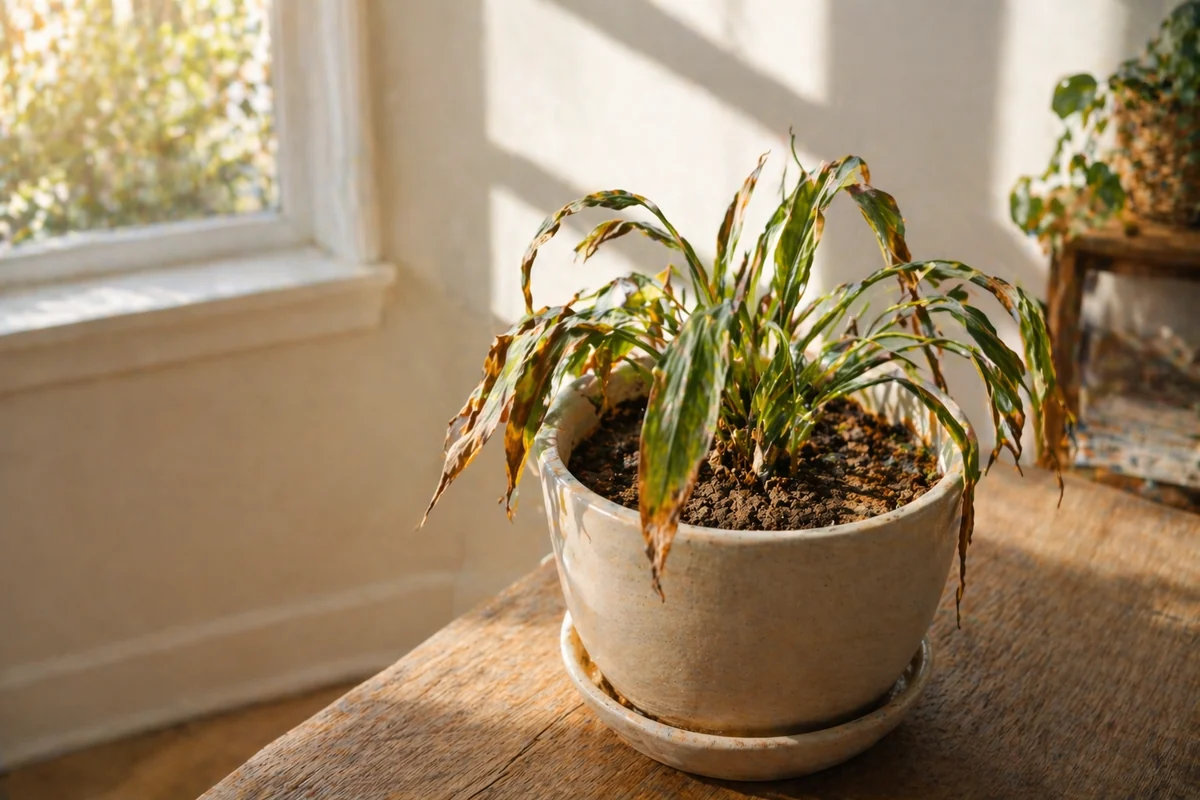
Crispy Inward Curl
This usually points to dehydration stress from dry air or delayed watering.
Soft Curl On New Leaves
This can indicate root stress or nutrient imbalance while tissue is still developing.
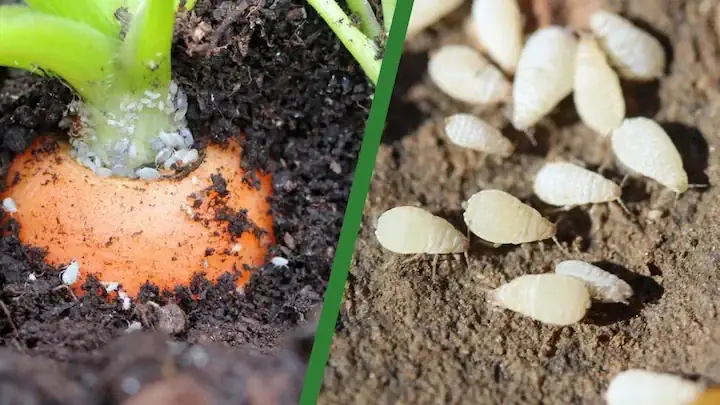
Curl With Stippling Or Pests
When curl appears with feeding marks, pest pressure is often the primary cause.
Top causes of my plant leaves curling
Curling is a symptom pattern that needs moisture, pest, and environment checks to confirm cause. Symptoms can overlap, so confirm moisture, light, and root-zone conditions before making multiple changes at once.
Check these first
Rule out water, light, and soil conditions before changing your full routine.
Moisture stress
Curl worsens after long dry-down or erratic watering.
Heat and low humidity
Curl worsens near hot windows or vents.
Pest pressure on new growth
Curl appears with speckling, streaking, or visible insects.
Compare related guides for underwatering plants, what are these tiny bugs on my plants, review common houseplant mistakes if symptoms overlap.
⚡ Fastest next step: Check moisture depth and inspect leaf undersides before changing multiple care variables.
Tracking moisture patterns over time helps remove guesswork. Plantology's Plant Doctor can automate this so decisions are based on history, not memory.
How to tell which cause fits
Start with the closest match. If several causes seem possible, track what changes over a few days and compare response patterns.
Many plant owners misdiagnose these symptoms because causes overlap. Tracking care history is often the easiest way to separate likely triggers.
Moisture stress
What it looks like: Curl worsens after long dry-down or erratic watering.
Why it happens: Unstable hydration causes tissue to roll inward to limit water loss.
First correction: Reset watering to depth checks and avoid extreme dry cycles.
Heat and low humidity
What it looks like: Curl worsens near hot windows or vents.
Why it happens: High transpiration pressure drives edge rolling.
First correction: Reduce heat exposure and increase local humidity around foliage.
Pest pressure on new growth
What it looks like: Curl appears with speckling, streaking, or visible insects.
Why it happens: Feeding damage distorts developing tissue.
First correction: Inspect undersides and isolate only if live pests are confirmed.
Root-zone limitation
What it looks like: Curl persists despite leaf-level adjustments.
Why it happens: Root decline can mimic humidity stress by reducing uptake consistency.
First correction: Check root health and drainage before changing fertilizer.
If you are still unsure, Plantology's Plant Doctor can track your care history and help narrow likely causes over a few days.
How to fix my plant leaves curling
Follow these steps in order so you can identify what helps without introducing conflicting changes.
Step 1
Identify curl type first so you do not treat the wrong cause.
Step 2
Confirm root-zone moisture and recent watering history.
Step 3
Reduce heat and direct airflow stress around affected foliage.
Step 4
Inspect new growth and undersides for pest clues.
Step 5
Change one variable at a time and hold it for at least 7 days.
Step 6
Judge recovery by cleaner new leaves, not by old curls flattening.
Most common mistake: Changing multiple variables at once and then not knowing what worked.
Plantology's Plant Doctor helps keep changes isolated so you can see which adjustment actually improved the plant.
How to prevent my plant leaves curling
Use these habits to reduce repeat symptoms and catch stress earlier.
-
Keep watering cadence based on depth checks, not date rules
Use this as a repeatable care habit so symptoms are easier to compare over time.
-
Avoid placing plants in heater or AC draft paths
Use this as a repeatable care habit so symptoms are easier to compare over time.
-
Monitor new growth weekly for early distortion signs
Use this as a repeatable care habit so symptoms are easier to compare over time.
-
Use drainage-friendly mix to keep uptake stable
Use this as a repeatable care habit so symptoms are easier to compare over time.
-
Record curl timing to spot heat-linked patterns early
Use this as a repeatable care habit so symptoms are easier to compare over time.
Pro tip: A short weekly note on watering, light, and leaf changes is often enough to catch patterns early.
If consistency is hard to maintain, Plantology's Plant Doctor can help reveal patterns early.

Plant Doctor
Curling leaves and not sure which trigger is primary?
Plant Doctor helps compare moisture, pests, and light clues so you can correct the highest-probability cause first.
Pattern clarity
Helps you spot patterns you might miss when symptoms overlap.
Cause separation
Uses recent care history and symptom changes to narrow likely causes.
Guided next steps
Supports observation over time so fixes stay consistent and practical.


Explore More Plant Care Resources
Use the Plant Problem Diagnosis tool — Organize the visible symptom into cautious checks before choosing a treatment.

Frequently Asked Questions
Curling often appears when leaf water balance is stressed. Moisture instability, pests, and harsh conditions are common triggers. For beginners, make one small change at a time and watch the plant for about a week before changing something else.
Yes, both can. Moisture checks are the fastest way to separate the two. Before deciding, check current light, soil moisture, and root condition so your next step is based on what is actually happening.
Yes. Sap-feeding pests can distort new growth and cause curling with other signs like residue or stippling. Before deciding, check current light, soil moisture, and root condition so your next step is based on what is actually happening.
Mildly stressed leaves may improve, but heavily distorted leaves often stay curled. Watch new growth for recovery. For beginners, make one small change at a time and watch the plant for about a week before changing something else.
Plantology
Fix Plant Problems With More Confidence
Use Plant Doctor to understand what is happening and choose practical next steps for your plant.
- Check symptoms clearly
- Follow practical treatment steps
- Avoid repeat problems