Indoor Plant Pests is easier to solve when you confirm moisture, roots, light, and recent care history before changing the routine. Start with the most visible pattern, then use the checks below to separate likely causes without guessing.
Indoor Plant Pests

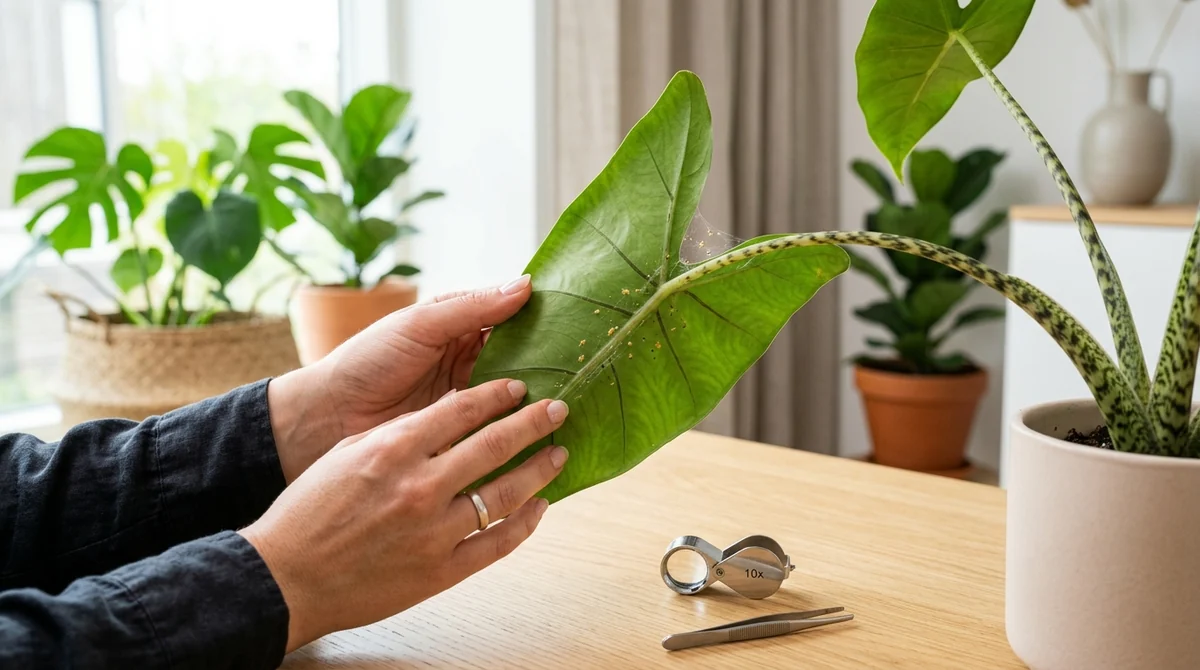
Quick Diagnosis
Indoor Plant Pests: quick diagnosis
Short answer
Indoor Plant Pests usually improve faster when you confirm moisture and root-zone conditions before changing multiple care variables.
Most likely causes
- Watering rhythm mismatch for indoor plant pests
- Indoor Plant root-zone stress from compacted mix or poor airflow
- Light and environment mismatch after recent placement changes
- Care changes stacked too quickly, which hides the true trigger
What to do first
- Check which leaves or stems show pests first
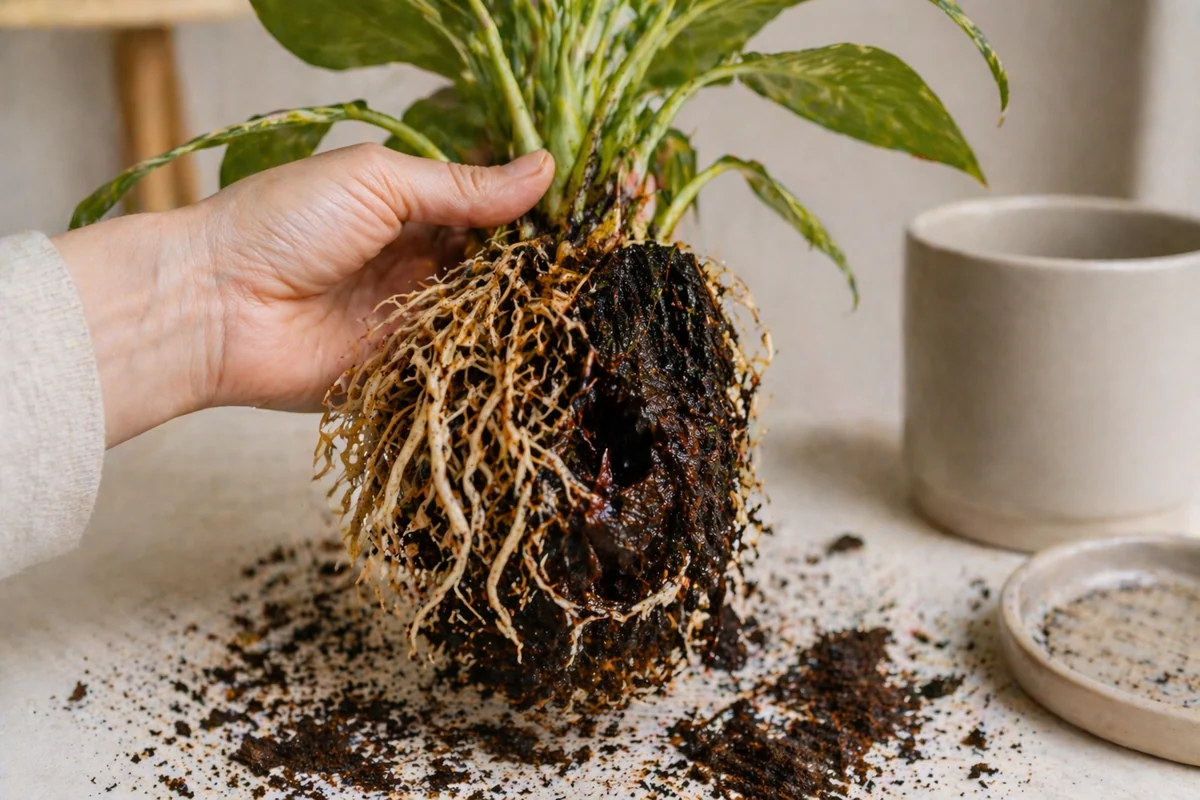
- Inspect soil moisture depth and root condition before adding new treatments
- Stabilize one variable and recheck the same signal for 7 to 14 days
- Use linked care-task guides if root-zone or substrate changes are needed
What not to do yet
- Do not change watering, light, and fertilizer all at once
- Do not repot without checking root condition first
- Do not treat every symptom as a nutrient issue on day one
Symptoms to check first
Start with visible symptom patterns first, then move to causes. Symptoms can overlap, so check what you can observe before changing your routine.
Indoor Plant Pests After Care Changes
Check whether symptoms began after repotting, moving, or major schedule changes.
Indoor Plant Pests With Wet Soil
Persistent wetness with stress signs often points to root-zone oxygen problems.
Indoor Plant Pests With Dry Soil
Dry-down stress can look similar, so confirm moisture depth before deciding.
Top causes of indoor plant pests
Indoor Plant Pests is usually a multi-factor stress pattern that needs step-by-step confirmation. Symptoms can overlap, so confirm moisture, light, and root-zone conditions before making multiple changes at once.
Check these first
Rule out water, light, and soil conditions before changing your full routine.
Watering mismatch
Symptoms in indoor plant pests worsen after inconsistent dry-to-soak cycles.
Root-zone decline
Symptoms continue even when surface watering looks correct.
Light mismatch
New growth weakens after relocation or seasonal light shift.
Compare related guides for how to keep houseplants alive if symptoms overlap.
⚡ Fastest next step: Confirm soil moisture and root condition before any major care reset.
Tracking moisture patterns over time helps remove guesswork. Plantology's Plant Doctor can automate this so decisions are based on history, not memory.
How to tell which cause fits
Start with the closest match. If several causes seem possible, track what changes over a few days and compare response patterns.
Many plant owners misdiagnose these symptoms because causes overlap. Tracking care history is often the easiest way to separate likely triggers.
Watering mismatch
What it looks like: Symptoms in indoor plant pests worsen after inconsistent dry-to-soak cycles.
Why it happens: Inconsistent hydration destabilizes root uptake and leaf turgor.
First correction: Use moisture-depth checks and keep one steady watering rhythm for two weeks.
Root-zone decline
What it looks like: Symptoms continue even when surface watering looks correct.
Why it happens: Compacted or oxygen-poor mix prevents consistent root function.
First correction: Inspect roots and confirm whether substrate structure still drains and aerates well.
Light mismatch
What it looks like: New growth weakens after relocation or seasonal light shift.
Why it happens: Light mismatch reduces energy supply and slows recovery from stress.
First correction: Adjust placement gradually and compare new growth over the next 2 to 3 weeks.
Layered care changes
What it looks like: Multiple interventions make symptom patterns harder to interpret.
Why it happens: Stacked changes create conflicting signals and delay diagnosis.
First correction: Pause extra changes and track one measurable correction at a time.
If you are still unsure, Plantology's Plant Doctor can track your care history and help narrow likely causes over a few days.
How to fix indoor plant pests
Follow these steps in order so you can identify what helps without introducing conflicting changes.
Step 1
Confirm symptom pattern and timeline first.
Step 2
Check moisture depth and root condition.
Step 3
Apply one correction and hold it for at least one week.
Step 4
Use linked care-task pages for repotting, soil, or schedule adjustments.
Step 5
Track response in new growth before adding more changes.
Most common mistake: Changing multiple variables at once and then not knowing what worked.
Plantology's Plant Doctor helps keep changes isolated so you can see which adjustment actually improved the plant.
How to prevent indoor plant pests
Use these habits to reduce repeat symptoms and catch stress earlier.
-
Keep indoor plant care changes gradual and measurable
Use this as a repeatable care habit so symptoms are easier to compare over time.
-
Use moisture checks instead of fixed-date watering only
Use this as a repeatable care habit so symptoms are easier to compare over time.
-
Keep roots breathing
Refresh substrate and root-space strategy before chronic stress builds up.
-
Log weekly care signals to catch patterns early
Use this as a repeatable care habit so symptoms are easier to compare over time.
Pro tip: A short weekly note on watering, light, and leaf changes is often enough to catch patterns early.
If consistency is hard to maintain, Plantology's Plant Doctor can help reveal patterns early.
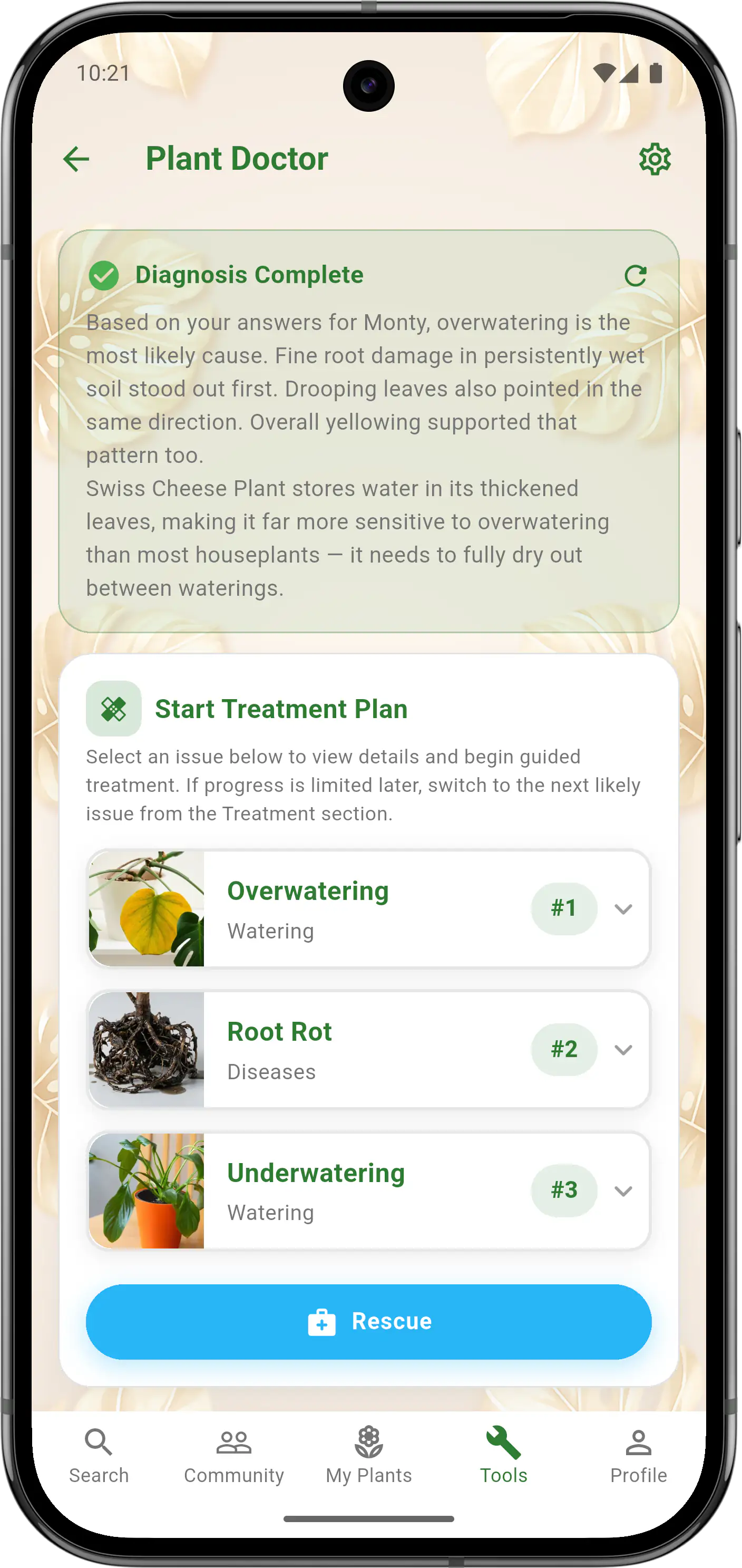
Plant Doctor
Identify the issue and get step-by-step recovery help
Use Plant Doctor to narrow likely causes and follow clear treatment steps with less guesswork.
Pattern clarity
Helps you spot patterns you might miss when symptoms overlap.
Cause separation
Uses recent care history and symptom changes to narrow likely causes.
Guided next steps
Supports observation over time so fixes stay consistent and practical.


Explore More Plant Care Resources
Use the Plant Problem Diagnosis tool — Organize the visible symptom into cautious checks before choosing a treatment.

Frequently Asked Questions
indoor plant pests on indoor plants usually reflects a stress pattern around moisture, roots, and environment. Start by checking timeline and root-zone context before making major changes.
To diagnose indoor plant pests, confirm where symptoms start, whether soil is wet or dry below the surface, and how roots look before you choose a fix. These checks reduce misdiagnosis.
For indoor plant pests, do one high-signal action first: moisture-depth check plus root inspection if spread is active. Then hold one correction for at least a week.
To prevent indoor plant pests from recurring, keep routines stable, make gradual changes, and track weekly signals on indoor plants. Avoid large multi-variable resets unless you have clear evidence.
Plantology
Identify Plant Problems Faster
Use Plant Doctor to confirm likely causes and follow treatment steps you can apply with confidence.
- Check symptoms clearly
- Follow practical treatment steps
- Avoid repeat problems