Best plants for bedrooms should match bedroom realities: softer light, tighter footprint control, and care routines that do not turn the room into a maintenance chore.
Best Plants for Bedrooms

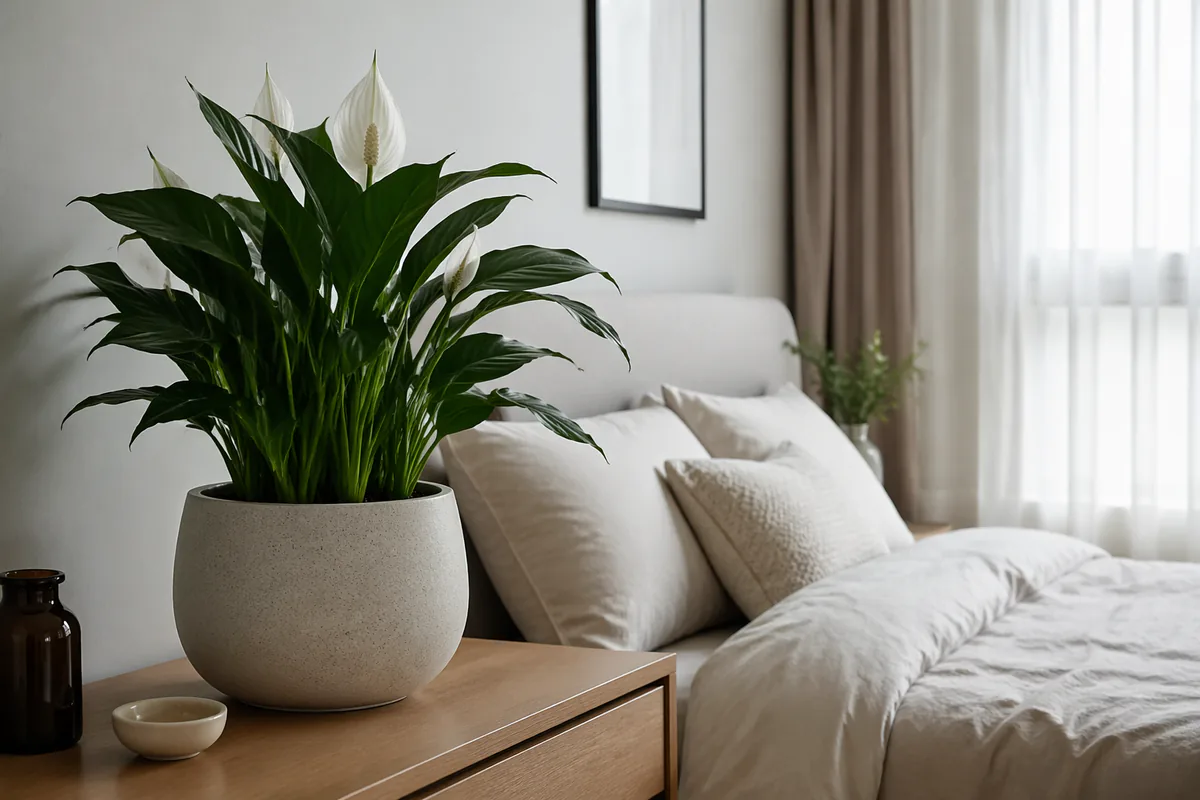
Selection Lens
How to shortlist the right plant
A bedroom article should not just be a low-light list with a calmer headline. The shortlist needs to account for footprint, morning-or-evening light patterns, and whether you actually want a hanging plant near the bed.
Keep the footprint believable
Bedrooms often need narrower or more controlled plant shapes than living rooms do, especially near beds and dressers.
Respect softer light patterns
A bedroom plant should still function if it gets lower daily light than your brightest window zone.
Avoid turning rest space into chore space
Low-maintenance or clearly signaled care beats fussy medium-maintenance plants for most bedrooms.
Top Picks
Best bedroom plants from the current catalog
These are the strongest bedroom fits because they balance calmer shapes, manageable sizes, and realistic care demands for a room that is not usually the brightest in the home.
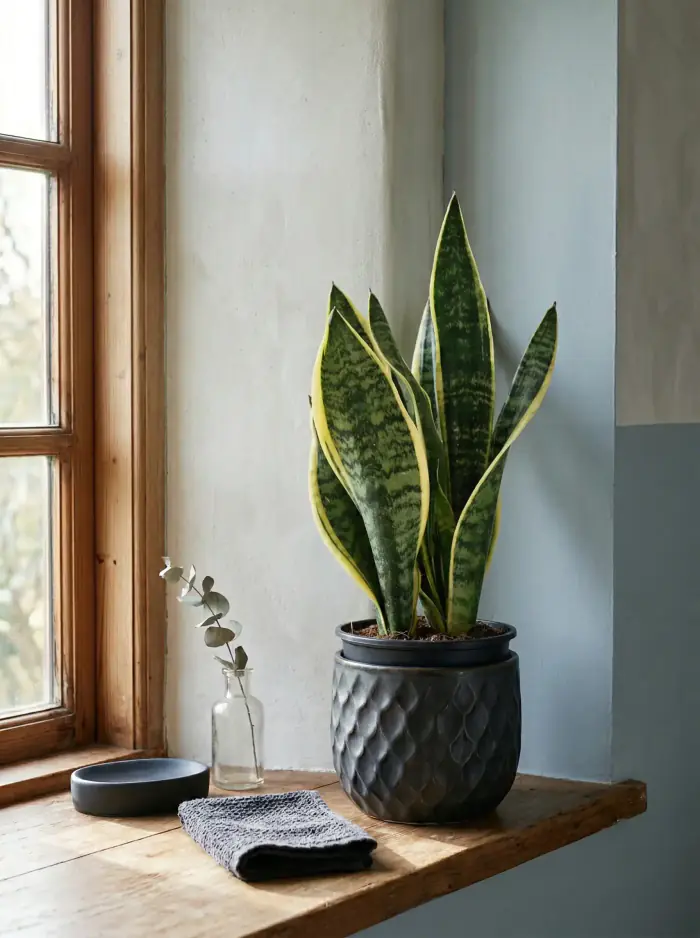
Snake Plant
Dracaena trifasciata
Low-maintenance and rare-watering, so it gives beginners more room for error than most foliage plants.
Difficulty: Easy
Light: Bright indirect
Water: Rare
Pets: Caution
Narrow floor space, inconsistent watering, and homes that only get low to medium light.
Snake plant is mildly toxic to pets, so it is not the right first pick for chewers.
Habit: Self-standingTolerates: Low, MediumCatalog size: 120 x 30 cmMaintenance: Low
View in plant library
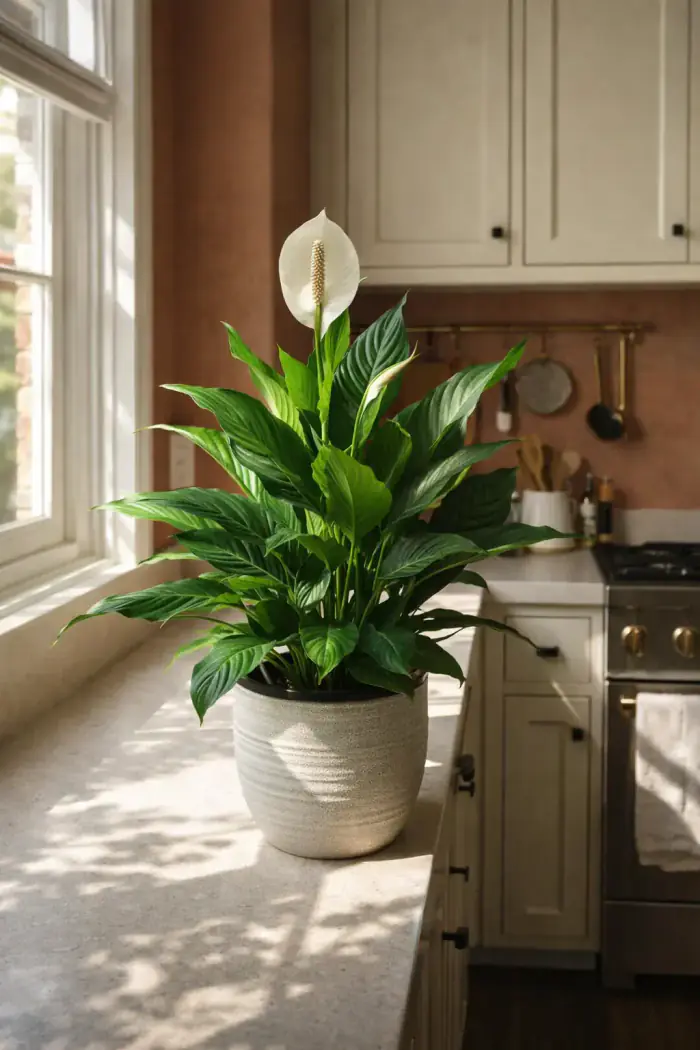
Peace Lily
Spathiphyllum wallisii
Its smaller catalog footprint and low-light tolerance make it strong for bedrooms and compact rooms, especially if you want flowers.
Difficulty: Easy
Light: Bright indirect
Water: Frequent
Pets: Toxic
Bedrooms, medium-size corners, and beginners who want a plant that clearly signals thirst.
Peace Lily is toxic to pets and also wants frequent watering, so it is not a low-effort pet-home pick.
Habit: Self-standingTolerates: Low, MediumCatalog size: 60 x 50 cmMaintenance: Low
View in plant library
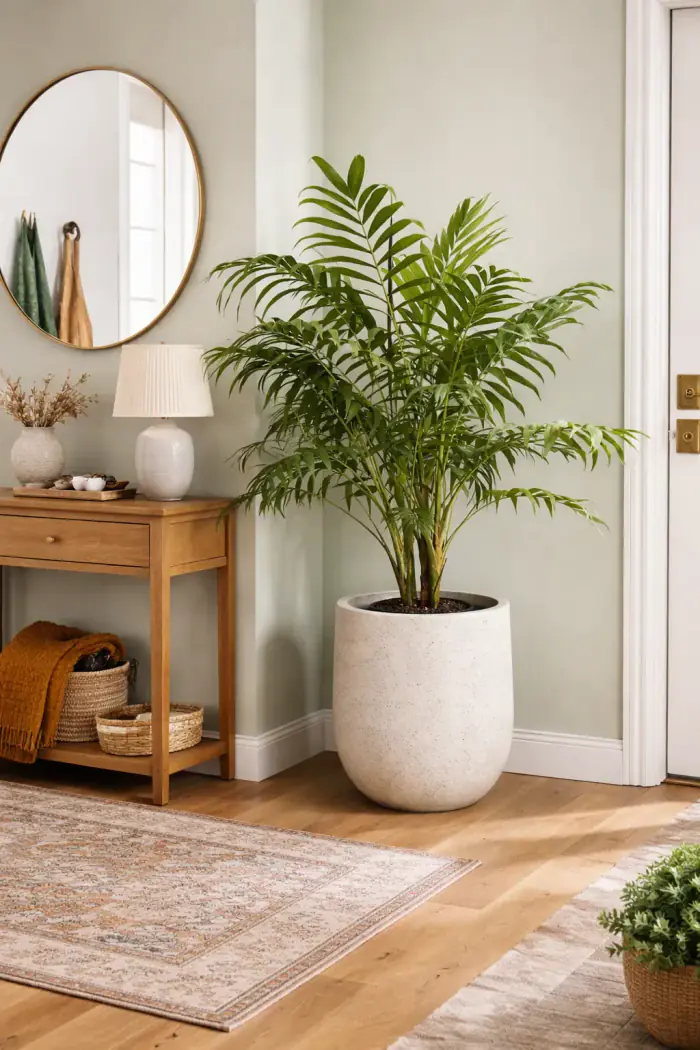
Parlor Palm
Chamaedorea elegans
It is one of the most versatile non-toxic catalog picks because it stays beginner-friendly while tolerating low or bright indirect light.
Difficulty: Easy
Light: Medium
Water: Moderate
Pets: Safe
Pet-safe homes, low-light bedrooms, and people who want a softer upright plant without constant pruning.
Its width can still reach about 100 cm in the catalog, so it is better for corners than for tiny tabletops.
Habit: Self-standingTolerates: Low, Bright indirectCatalog size: 200 x 100 cmMaintenance: Low
View in plant library
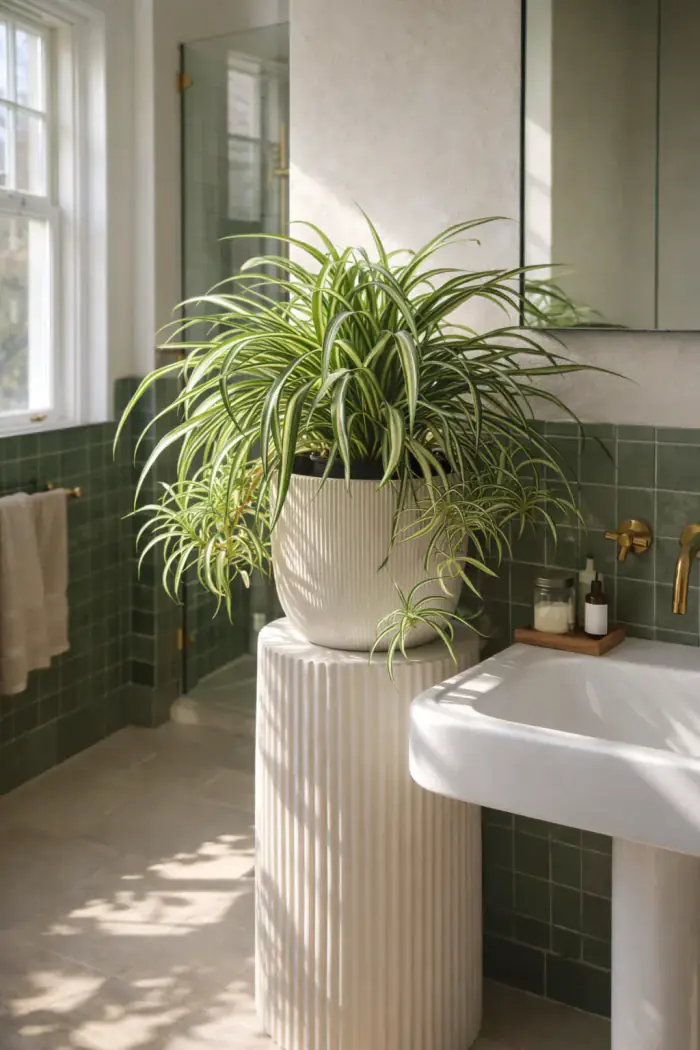
Spider Plant
Chlorophytum comosum
Easy care, pet-safe status, and fast growth make it one of the strongest all-around catalog picks.
Difficulty: Easy
Light: Bright indirect
Water: Moderate
Pets: Safe
Pet homes, hanging spots, and beginners who want quick visual feedback from new plantlets and fresh growth.
It still wants routine watering, and the hanging habit can read messy if you want a strict upright silhouette.
Habit: HangingTolerates: Low, MediumCatalog size: 40 x 60 cmMaintenance: Low
View in plant library
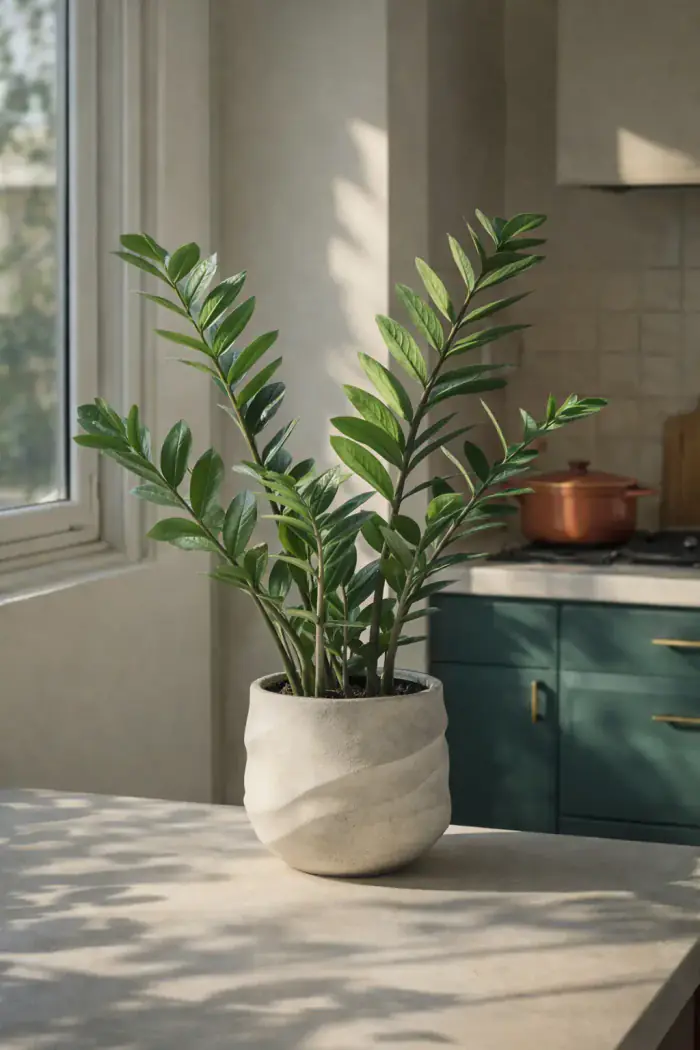
ZZ Plant (Zanzibar Gem)
Zamioculcas zamiifolia
Rare watering and broad light tolerance make it one of the safest recommendations for people with inconsistent routines.
Difficulty: Easy
Light: Bright indirect
Water: Rare
Pets: Toxic
Busy schedules, darker rooms, and plant owners who want a tidy self-standing shape instead of a trailing vine.
Zanzibar Gem is toxic to pets, and it is a slow grower if you expect fast visual payoff.
Habit: Self-standingTolerates: Low, Medium, DirectCatalog size: 90 x 60 cmMaintenance: Low
View in plant library
Quick Matches
Which bedroom plant type makes the most sense?
Think first about floor space and who shares the room with the plant.
Need the narrowest floor footprint
Snake Plant wins on profile because the catalog lists it at roughly 120 x 30 cm with a self-standing habit.
Want flowers or clearer thirst cues
Peace Lily fits well if you are okay with more frequent watering and no-pets caveats.
Need a hanging or shelf option
Spider Plant is better than forcing a big floor plant into a tight bedroom corner.
Avoid These Mistakes
What usually goes wrong in bedroom plant lists
Bedroom pages often drift into wellness fluff. The more useful test is simple: does the plant actually fit the room and routine?
Using only aesthetic language
A plant can look calming and still be a bad bedroom fit if it gets too wide, too thirsty, or too toxic for pets that sleep there.
Ignoring pets in sleeping spaces
If cats or dogs spend time in the bedroom, toxic plants should be flagged immediately instead of buried.
Assuming every bedroom is low light
Some bedrooms are bright. Others are dim. Match the plant to the actual window behavior, not the label on the room.
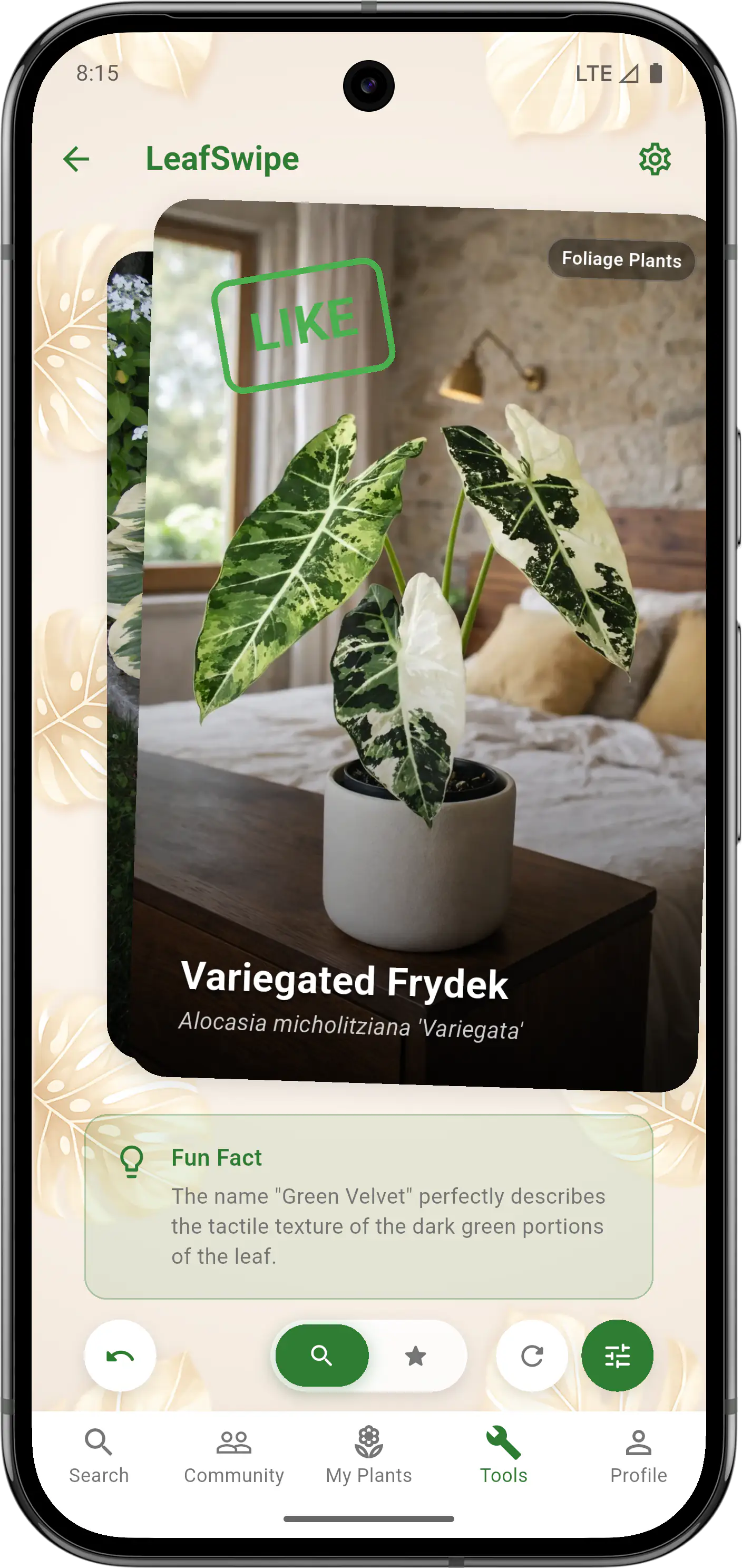
LeafSwipe
Find Plants That Fit Your Home and Routine
Use LeafSwipe to compare plants quickly, save your favorites, and choose options that match your light and time.
Find options quickly
Compare plant ideas in seconds when you want new options.
Pick plants that fit
Care previews help you choose plants that match your light and routine.
Save your favorites
Keep a short list so your next plant decision feels easier.



Frequently Asked Questions
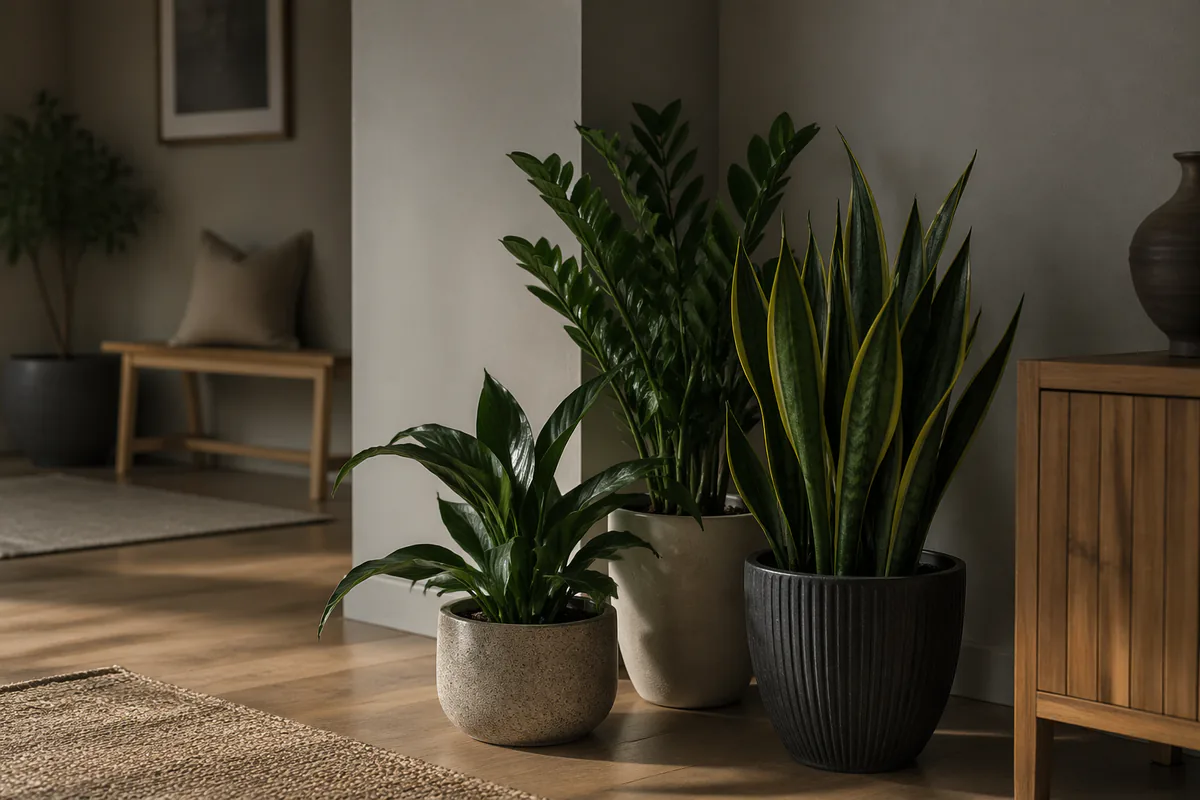
The strongest bedroom fits in this catalog are Snake Plant, Peace Lily, Parlor Palm, Spider Plant, and ZZ Plant because they combine manageable footprints with softer-light compatibility or low-maintenance care. Pick the option that fits your light, schedule, and room setup, because fit matters more than trends.
No. Most bedroom-friendly picks do better in low to bright-indirect light rather than direct midday sun. Before deciding, check current light, soil moisture, and root condition so your next step is based on what is actually happening.
It depends on your plant and setup. Not if you choose by maintenance level first. Snake Plant, ZZ Plant, and Parlor Palm stay easier than fussier humidity-heavy options.
Usually one to three well-placed plants is enough. The goal is fit and calm, not cramming every surface with medium-size pots. A simple way to do this is to check light and soil moisture first, then track the result for 7 to 14 days.
Plantology
Find Your Next Favorite Plant
Use LeafSwipe to discover and compare plants that fit your space, light, and daily routine.
- Find matching plants faster
- Compare care needs easily
- Save favorites for later