Sticky Residue On Leaves
Track where the symptom starts, how fast it spreads, and what changed in care this week.
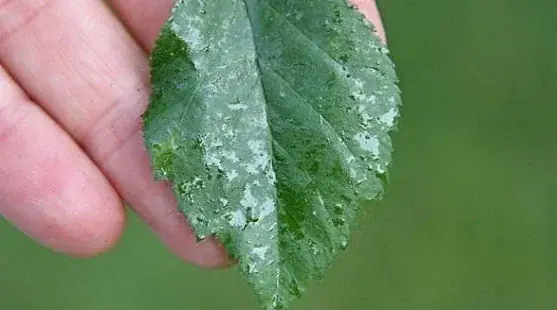
My leaves sticky is most often honeydew residue from sap-feeding pests like aphids, mealybugs, scale, or whiteflies.
Rapid Triage
Start with visible symptom patterns first, then move to causes. Symptoms can overlap, so check what you can observe before changing your routine.
Track where the symptom starts, how fast it spreads, and what changed in care this week.
Track where the symptom starts, how fast it spreads, and what changed in care this week.
Track where the symptom starts, how fast it spreads, and what changed in care this week.
Sticky leaves are usually a residue clue that points to active sap feeders. Symptoms can overlap, so confirm moisture, light, and root-zone conditions before making multiple changes at once.
Rule out water, light, and soil conditions before changing your full routine.
Sticky leaves plus soft-bodied insects on new growth.
Sticky residue with white cotton clusters.
Sticky film with bump-like insects on stems.
Compare related guides for what are these tiny bugs on my plants, why are there white fuzzy bugs on my plant if symptoms overlap.
⚡ Fastest next step: Inspect stem joints and leaf undersides with bright light for active insects.
Tracking moisture patterns over time helps remove guesswork. Plantology's Plant Doctor can automate this so decisions are based on history, not memory.
Start with the closest match. If several causes seem possible, track what changes over a few days and compare response patterns.
Many plant owners misdiagnose these symptoms because causes overlap. Tracking care history is often the easiest way to separate likely triggers.
What it looks like: Sticky leaves plus soft-bodied insects on new growth.
Why it happens: These pests excrete honeydew while feeding.
First correction: Make one targeted adjustment and review response over the next few days.
What it looks like: Sticky residue with white cotton clusters.
Why it happens: Colonies produce honeydew from hidden feeding sites.
First correction: Make one targeted adjustment and review response over the next few days.
What it looks like: Sticky film with bump-like insects on stems.
Why it happens: Attached feeders release residue continuously.
First correction: Make one targeted adjustment and review response over the next few days.
What it looks like: Residue returns after wipe-down only.
Why it happens: Pest population remains active.
First correction: Make one targeted adjustment and review response over the next few days.
If you are still unsure, Plantology's Plant Doctor can track your care history and help narrow likely causes over a few days.
Follow these steps in order so you can identify what helps without introducing conflicting changes.
Step 1
Isolate affected plants from nearby healthy plants.
Step 2
Identify likely pest type by inspecting underside and stems.
Step 3
Clean sticky residue to improve visibility and leaf function.
Step 4
Apply targeted treatment and repeat on schedule.
Step 5
Inspect nearby plants for early crossover.
Step 6
Track residue recurrence every few days.
Most common mistake: Changing multiple variables at once and then not knowing what worked.
Plantology's Plant Doctor helps keep changes isolated so you can see which adjustment actually improved the plant.
Use these habits to reduce repeat symptoms and catch stress earlier.
✔ Inspect new growth weekly for sap feeders
Inspect new growth weekly for sap feeders.
✔ Quarantine new plants before integrating
Quarantine new plants before integrating.
✔ Keep spacing open enough for easy inspection
Keep spacing open enough for easy inspection.
✔ Wipe leaves routinely to catch residue early
Wipe leaves routinely to catch residue early.
✔ Treat small outbreaks before buildup escalates
Treat small outbreaks before buildup escalates.
Pro tip: A short weekly note on watering, light, and leaf changes is often enough to catch patterns early.
If consistency is hard to maintain, Plantology's Plant Doctor can help reveal patterns early.
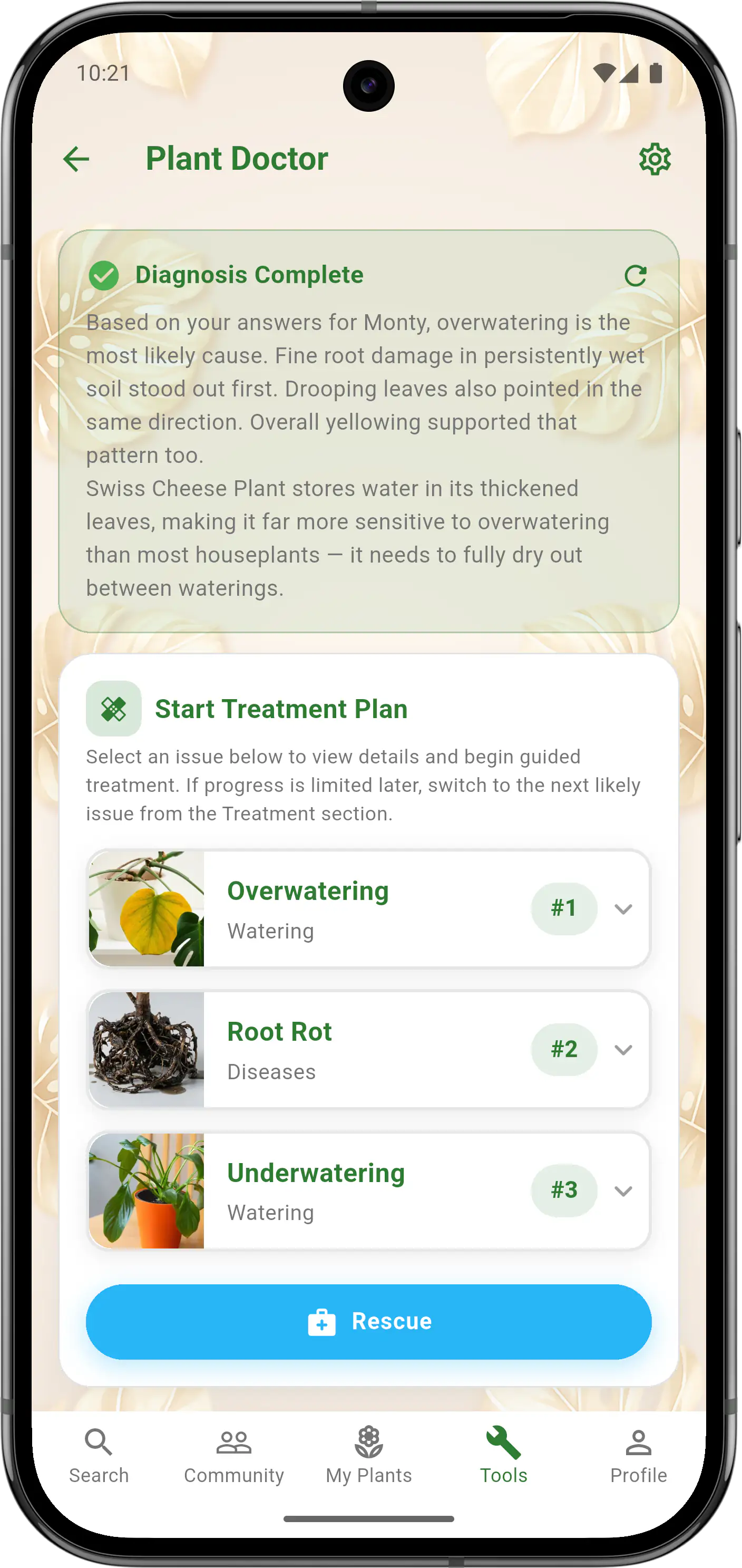
Plant Doctor
Plant Doctor helps match residue patterns with hidden pest signs so you can locate the source faster.
Helps you spot patterns you might miss when symptoms overlap.
Uses recent care history and symptom changes to narrow likely causes.
Supports observation over time so fixes stay consistent and practical.
📋 Related Resources
Explore all 20 pages by category.
Open species-level care pages.
Reference a full profile with ranges and schedules.
Go to the app area that helps most with this guide topic.
Identify likely sap feeders.
Common sticky-residue culprit.
Sticky film is usually honeydew from sap-feeding insects. It is an early warning that pests may be active. For beginners, make one small change at a time and watch the plant for about a week before changing something else.
Most often yes for houseplants, though spray residues can sometimes mimic it. Underside inspection confirms more reliably. Before deciding, check current light, soil moisture, and root condition so your next step is based on what is actually happening.
Wipe gently with clean water and soft cloth, then treat the pest source. Cleaning alone will not stop recurrence. A simple way to do this is to check light and soil moisture first, then track the result for 7 to 14 days.
Yes. Honeydew can attract sooty mold and reduce leaf function if buildup continues. Before deciding, check current light, soil moisture, and root condition so your next step is based on what is actually happening.
 Plantology
Use Plant Doctor to identify likely pests and follow practical treatment steps that are easier to stick with.