How to start with houseplants is easiest when you begin with one plant, one spot, and one weekly routine. If you are new to indoor plants, start with actions you can do in under 10 minutes.
How to Start with Houseplants

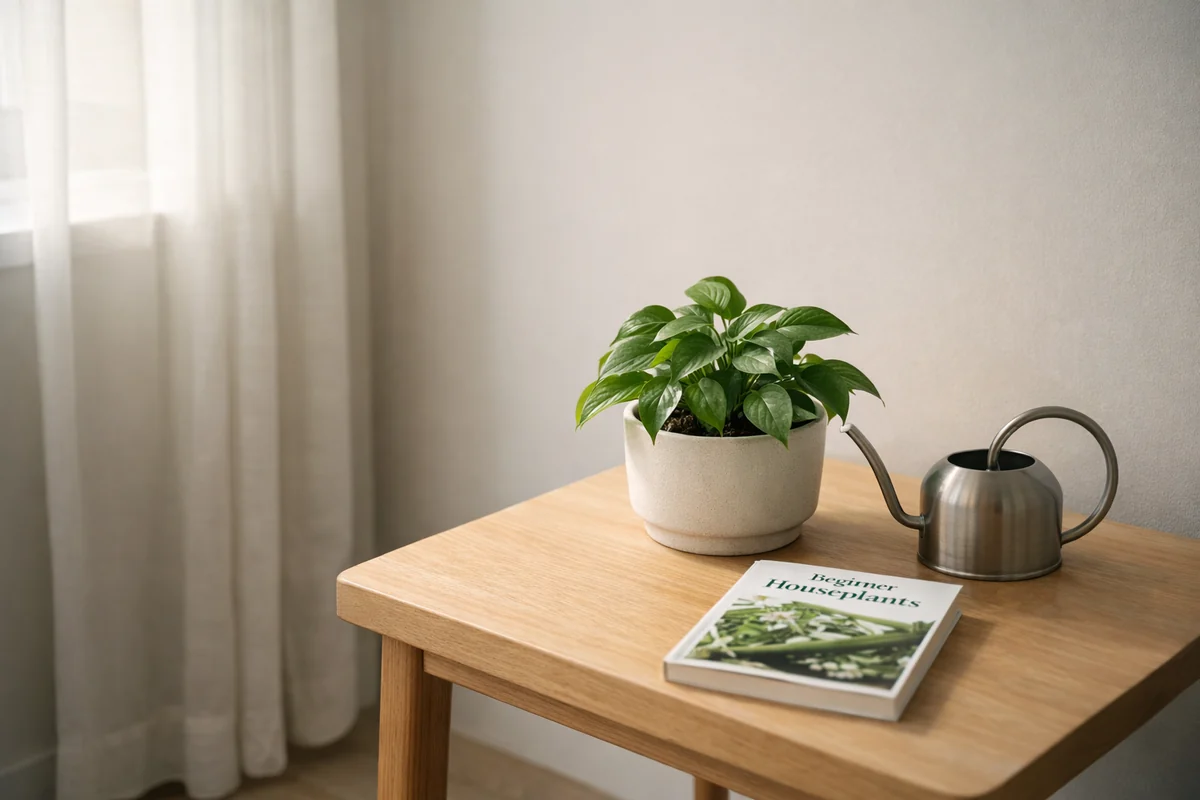
First 7 days
A calm week-one sequence with enough context to make confident decisions.
-
Day 1
Pick the location first
Choose the exact shelf or table, then choose a plant that matches that light level.
Why this matters: This gives you a stable baseline so your next decision is clearer.
-
Day 2
Buy only basics
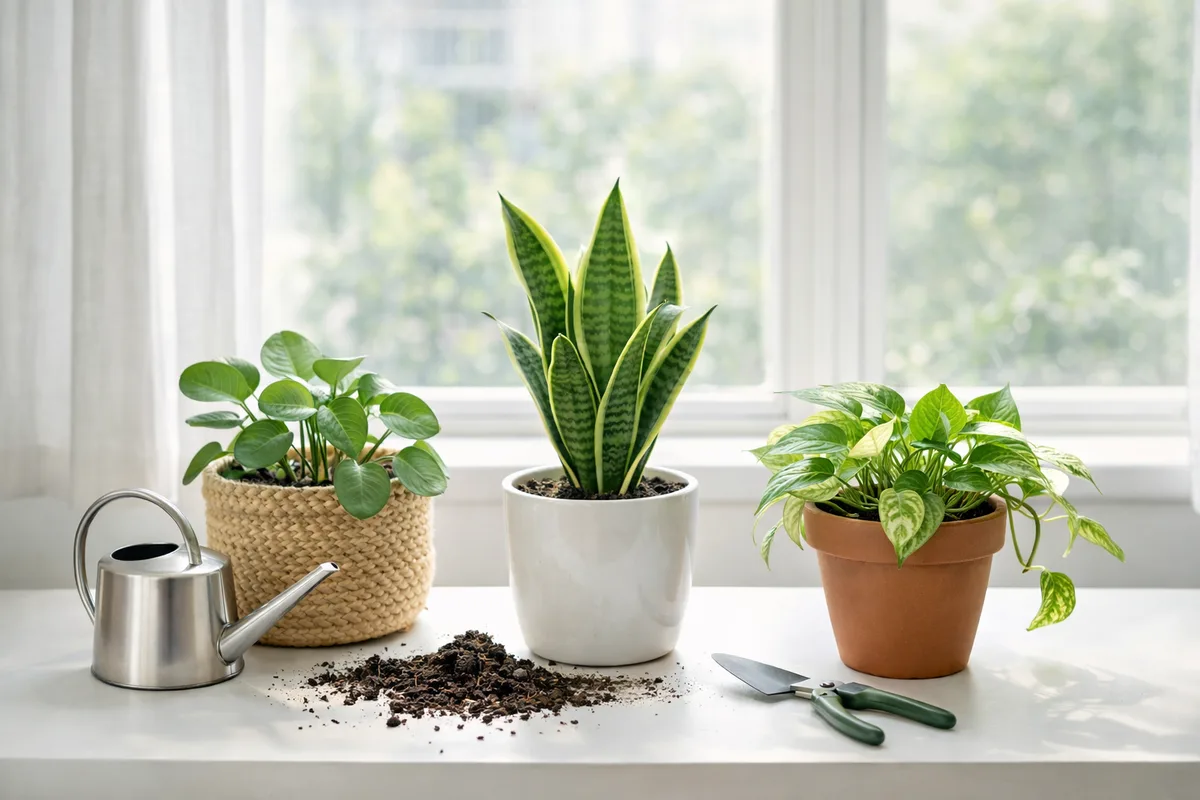
Get one plant, one pot with drainage, and a simple watering can.
Why this matters: This gives you a stable baseline so your next decision is clearer.
-
Day 3
Run the first moisture check
Feel soil depth on day one so you know your starting condition.
Why this matters: This gives you a stable baseline so your next decision is clearer.
-
Day 4
Set your weekly care day
Use one weekday to check moisture, remove dead leaves, and record notes.
Why this matters: This gives you a stable baseline so your next decision is clearer.
How to not kill your first plant
Start with one plant, not five
Rule: Start with one plant, not five
Why it works: One healthy plant teaches you care rhythm faster than a large collection.
Usually gets misread: Beginners often over-correct before they have enough signal.
Keep setup low-friction
Rule: Keep setup low-friction
Why it works: The easiest first system is finger moisture checks plus one weekly reminder.
Usually gets misread: Beginners often over-correct before they have enough signal.
Use beginner question prompts
Rule: Use beginner question prompts
Why it works: Ask: Is the soil dry 2-3 cm down? Is light still a fit? Is there new stress this week?
Usually gets misread: Beginners often over-correct before they have enough signal.
Why beginners struggle
Most early failures come from behavior patterns, not lack of effort.
Pattern: panic response
Why it fails: Fast reactions create noise and hide root causes.
What works: Pause, check soil and light, then change one variable.
Pattern: schedule worship
Why it fails: Home conditions shift week to week, but calendars do not.
What works: Use reminders to check conditions, not to force watering.
Pattern: perfection pressure
Why it fails: Trying to do expert care immediately causes over-handling.
What works: Aim for stable and good-enough first, then optimize.
Common Mistakes and Pitfalls
Buying too many plants at once
Why it fails: Care becomes scattered and new owners miss early warning signs.
Looks like: Inconsistent progress, mixed leaf signals, and confusion about what changed.
What to do: Start with one or two plants max for your first month.
Choosing by looks only
Why it fails: A beautiful plant can fail quickly in the wrong light.
Looks like: Inconsistent progress, mixed leaf signals, and confusion about what changed.
What to do: Match plant type to your room light before buying.
Skipping routine days
Why it fails: Small issues are discovered late and feel harder to fix.
Looks like: Inconsistent progress, mixed leaf signals, and confusion about what changed.
What to do: Keep one recurring weekly check even if each check is brief.
Recommended Starter Plants
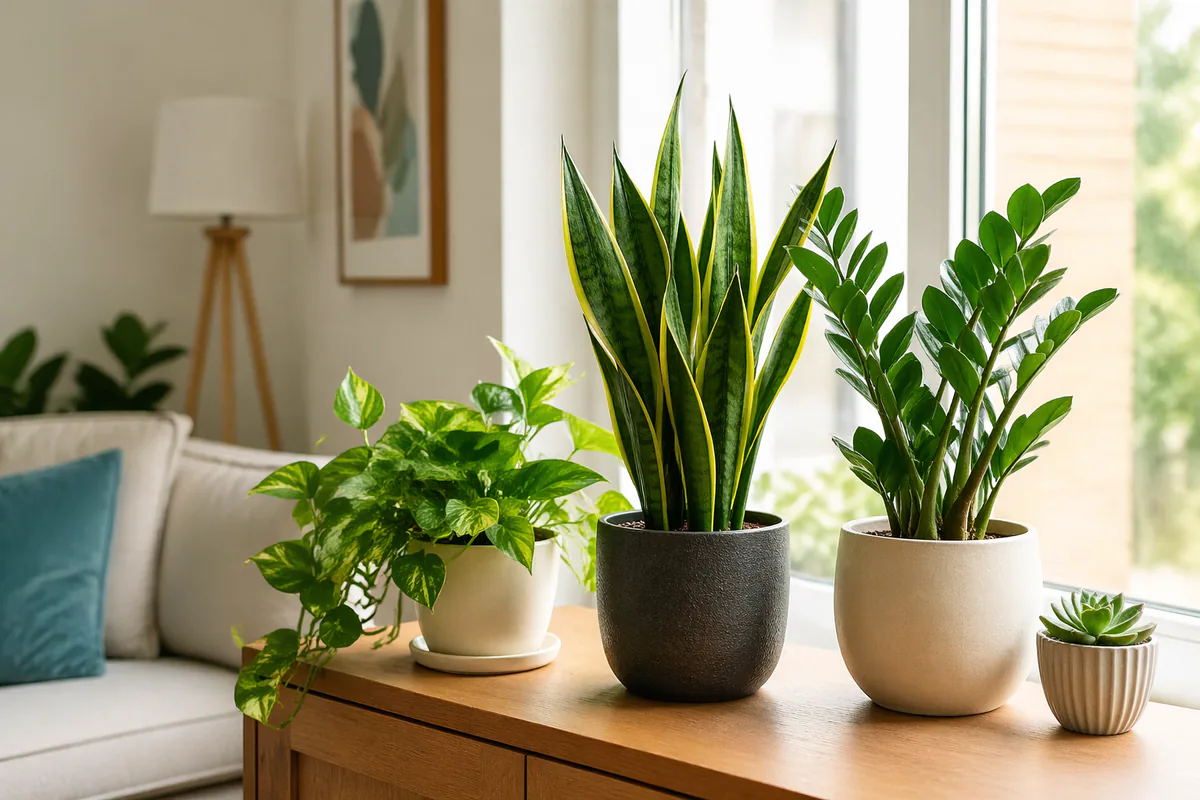
If you are not sure which first plant to buy, choose one of these low-risk options.
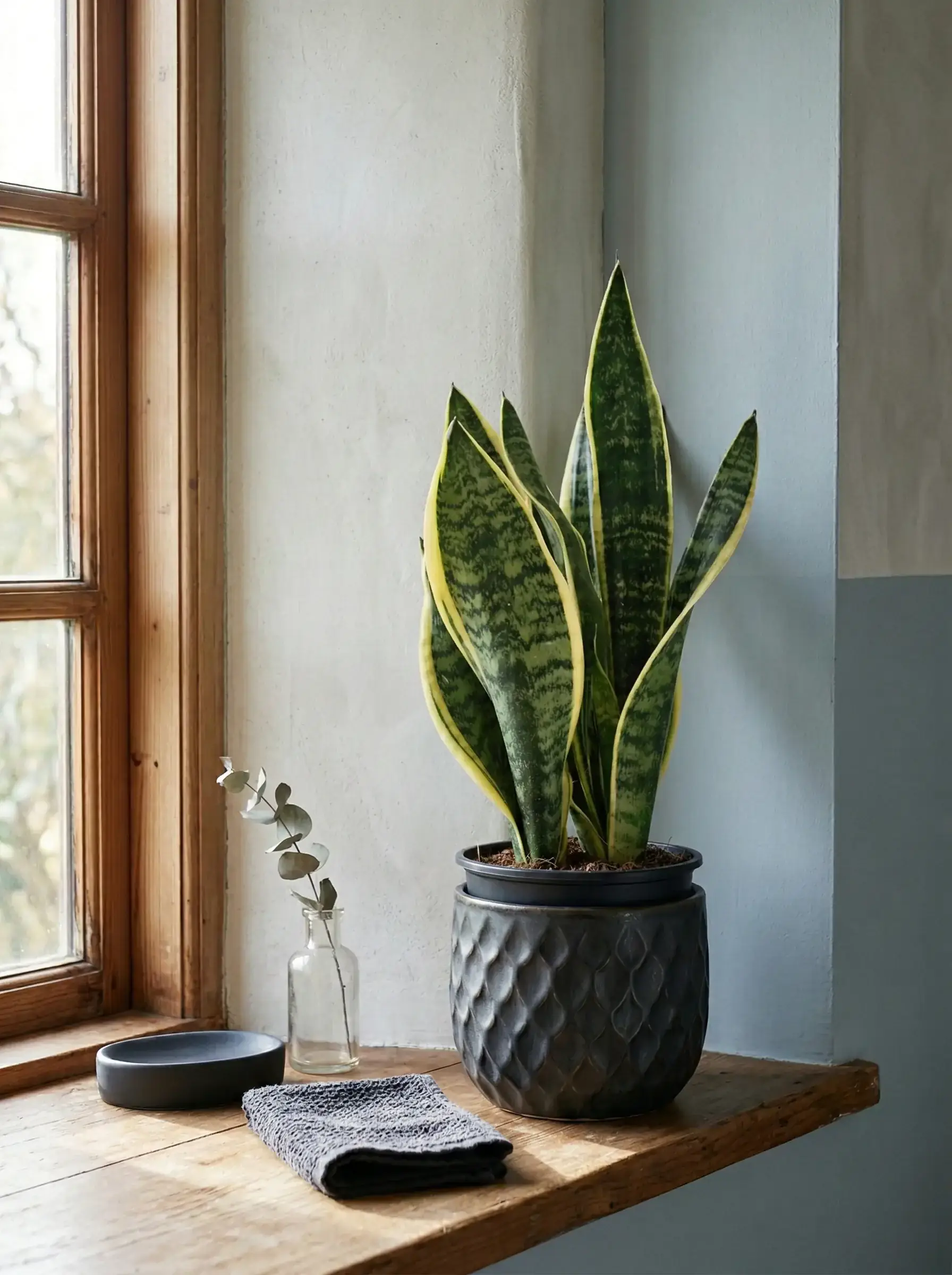
Best for Self-standing
Snake Plant
Tolerates low light and missed watering, so early routine mistakes are easier to recover from.
Pick this if: You want a stable starter plant with straightforward care cues.
Avoid if: You tend to water on a fixed schedule without checking soil.
Difficulty: Easy
Light: Bright indirect
Self-standing
View care guide
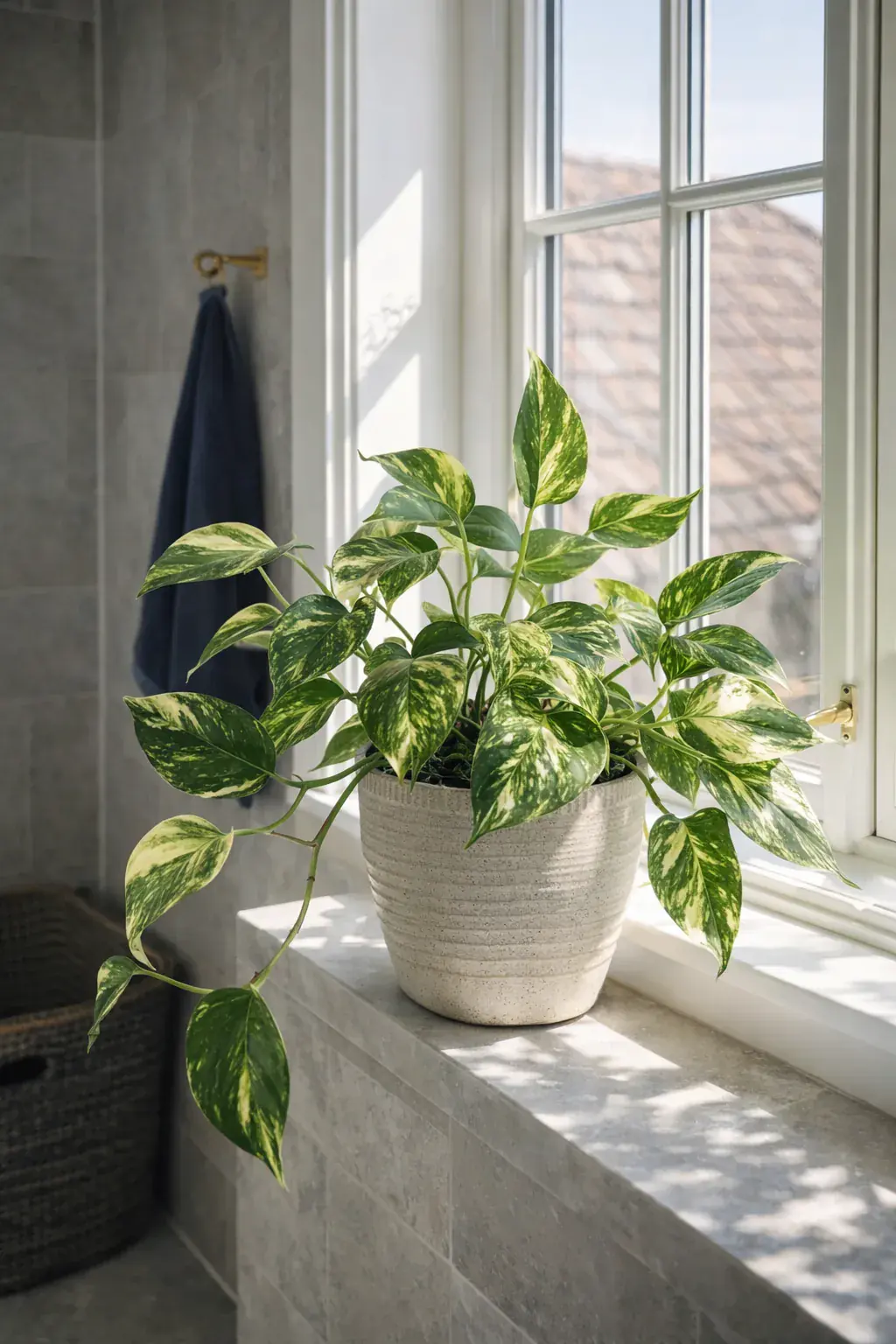
Best for Hanging
Pothos (Devils Ivy)
Gives fast visual feedback when thirsty, making easy houseplant care for beginners more intuitive.
Pick this if: You want visible feedback and quick growth signals.
Avoid if: Your room has consistently low light.
Difficulty: Easy
Light: Bright indirect
Hanging
View care guide
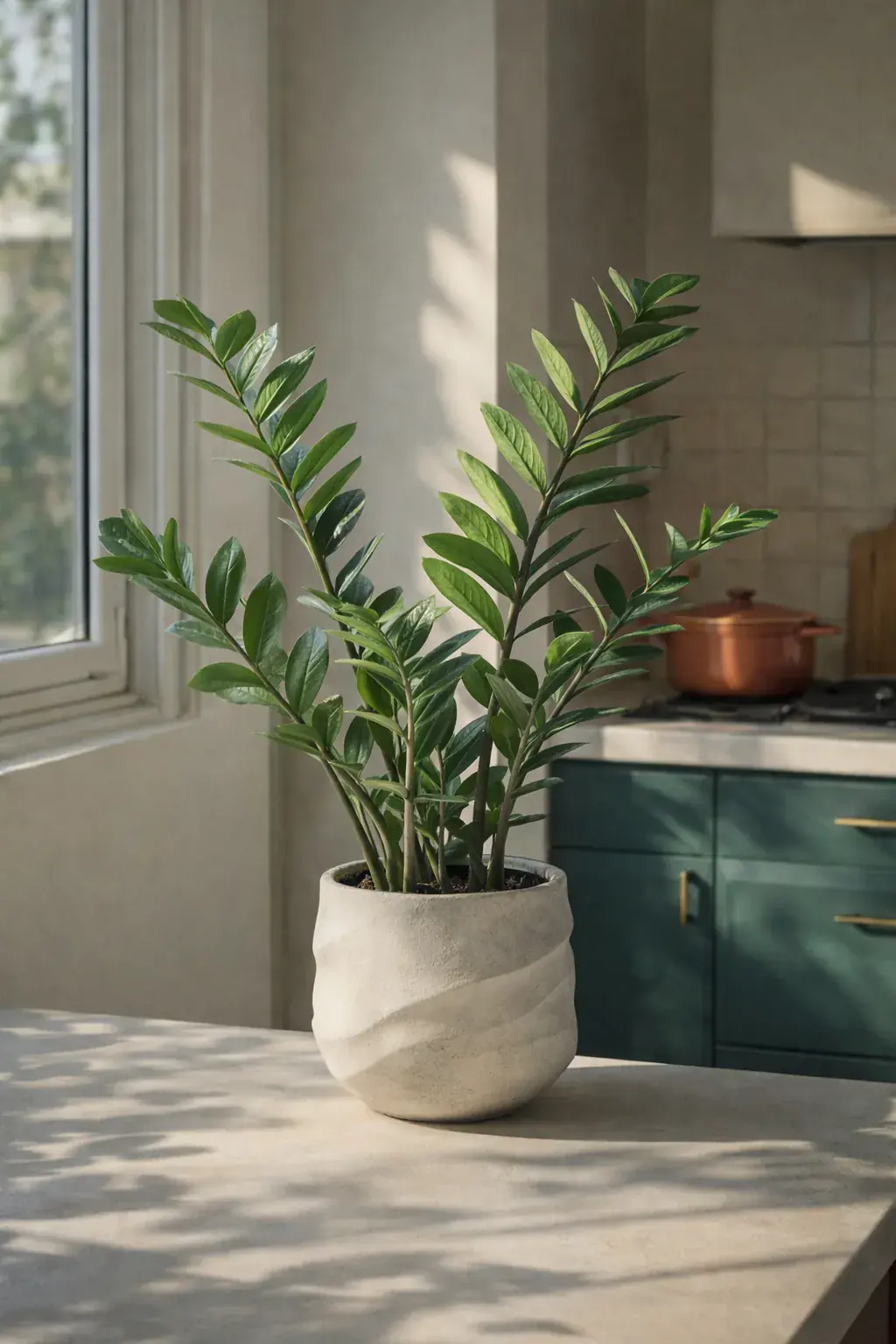
Best for Self-standing
ZZ Plant (Zanzibar Gem)
Handles low light and occasional skipped checks without collapsing quickly.
Pick this if: You want a stable starter plant with straightforward care cues.
Avoid if: You tend to water on a fixed schedule without checking soil.
Difficulty: Easy
Light: Bright indirect
Self-standing
View care guide
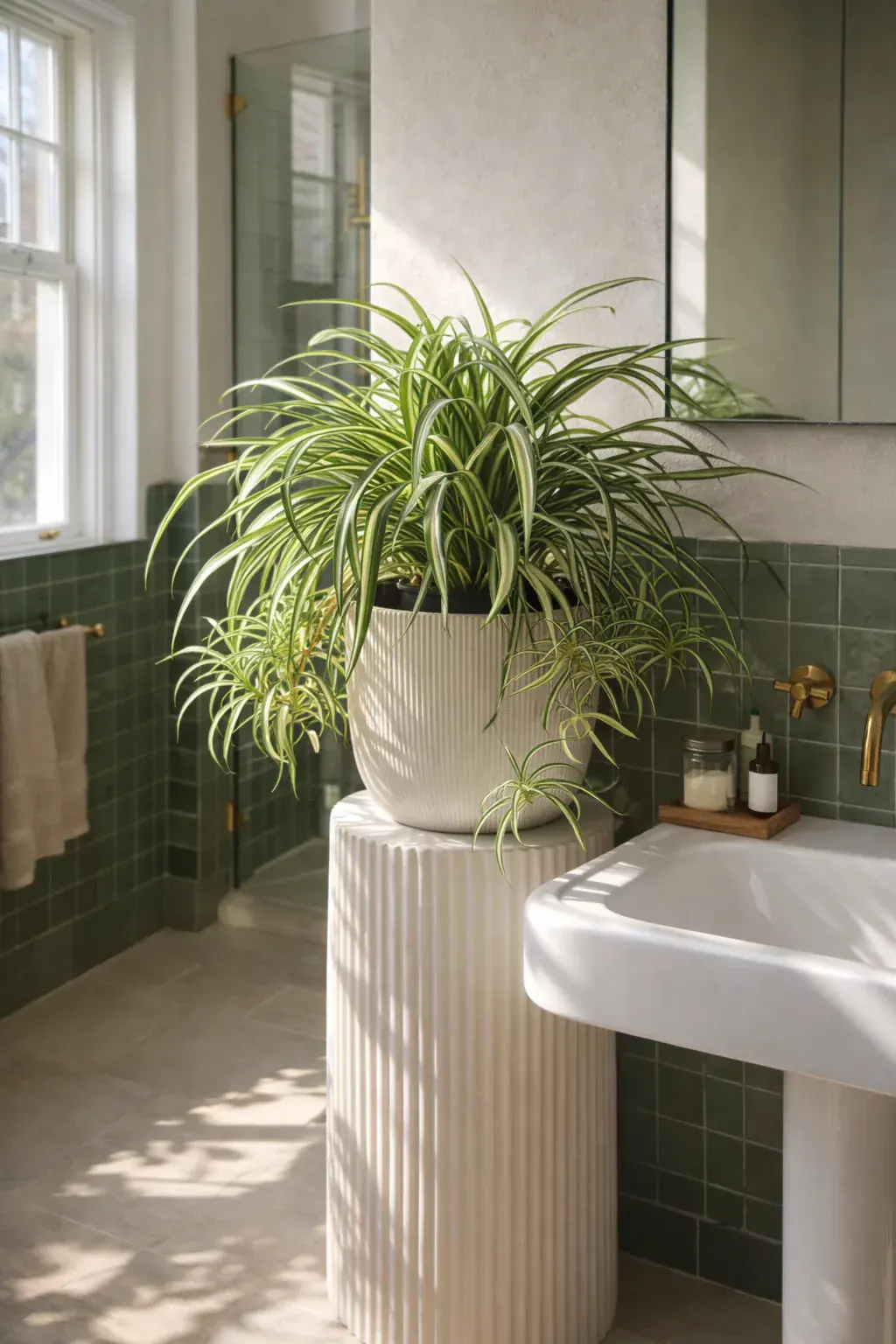
Best for Hanging
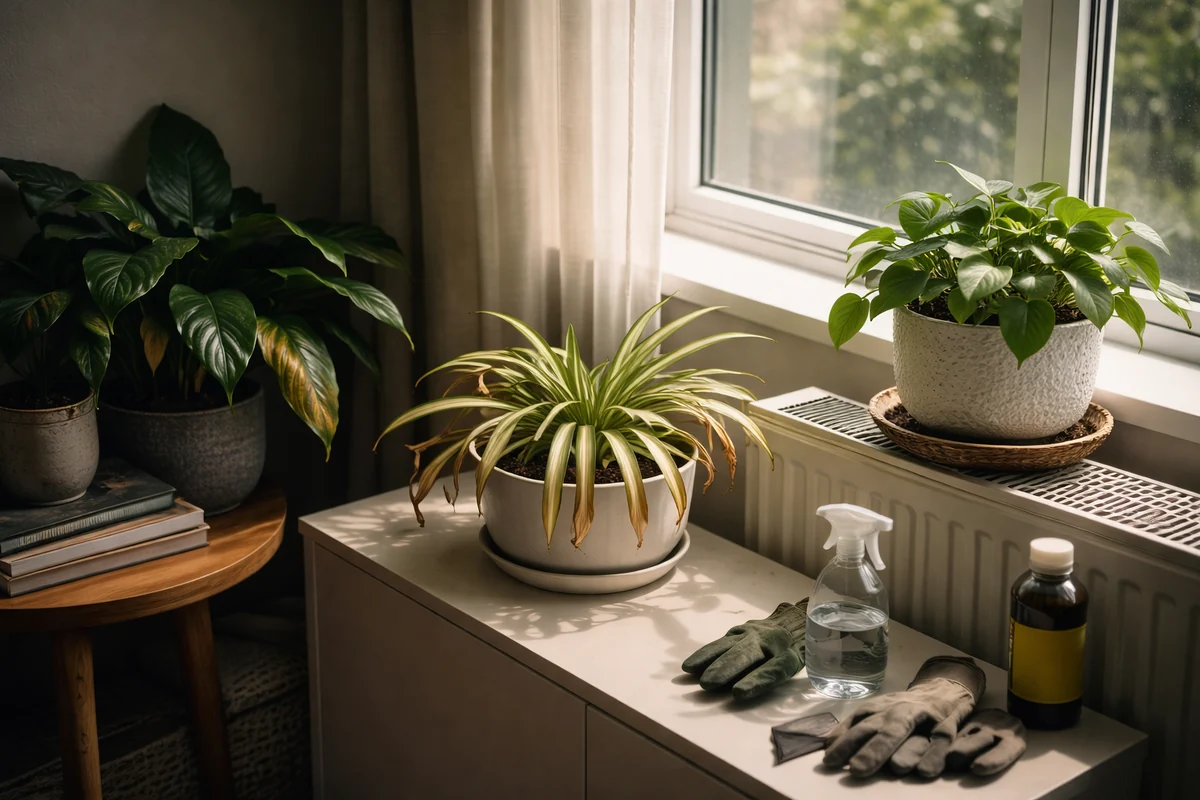
Spider Plant
Shows clear stress signals early, which helps new plant parents practice basic plant care tips.
Pick this if: You want visible feedback and quick growth signals.
Avoid if: Your room has consistently low light.
Difficulty: Easy
Light: Bright indirect
Hanging
View care guide
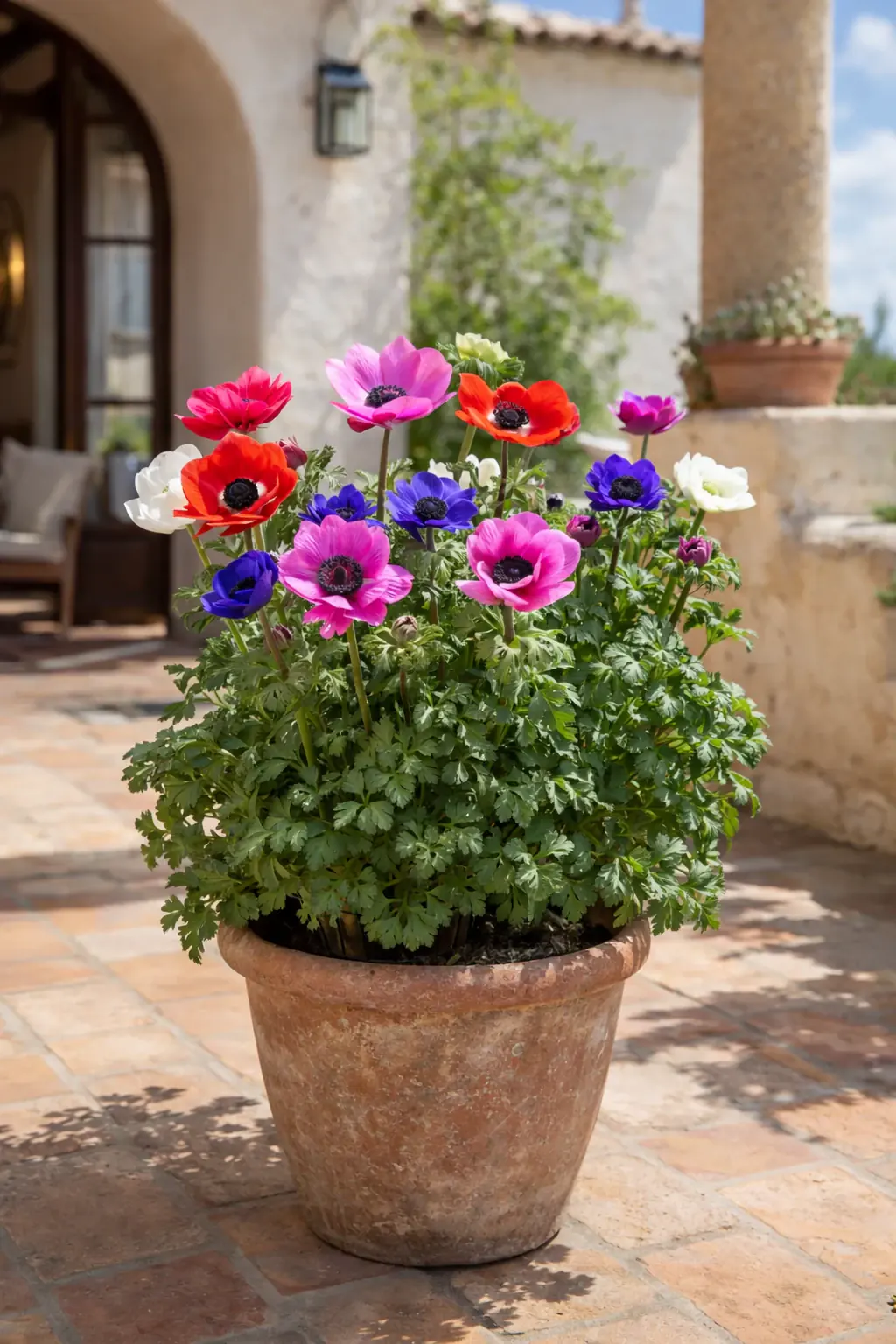
Best for Seasonal color
Poppy Anemone
Use this after your first easy plant is stable if you want to practice a more structured routine.
Pick this if: You want a stable starter plant with straightforward care cues.
Avoid if: You tend to water on a fixed schedule without checking soil.
Difficulty: Moderate
Light: Bright
Seasonal color
View care guide
Am I doing it right?
Use this as a weekly diagnostic, not a perfection scorecard.
Good signs
- New growth appears every few weeks
- Leaves stay mostly firm through the week
- Soil follows a wet-to-dry cycle, not constant wetness
- Plant shape looks stable, not progressively collapsing
Warning signs
- Yellowing increases week to week
- Soil stays wet for many days with no dry phase
- No visible growth after multiple stable weeks
- Leaves soften even when soil is wet
What to do if you are unsure
- Freeze changes for 48 hours to stop adding noise.
- Check root-zone moisture and note one visible signal.
- Change one variable only and review after 7 days.
Optional: Scale Later
After your first plant is stable for 4-6 weeks, add one more plant with similar watering rhythm.
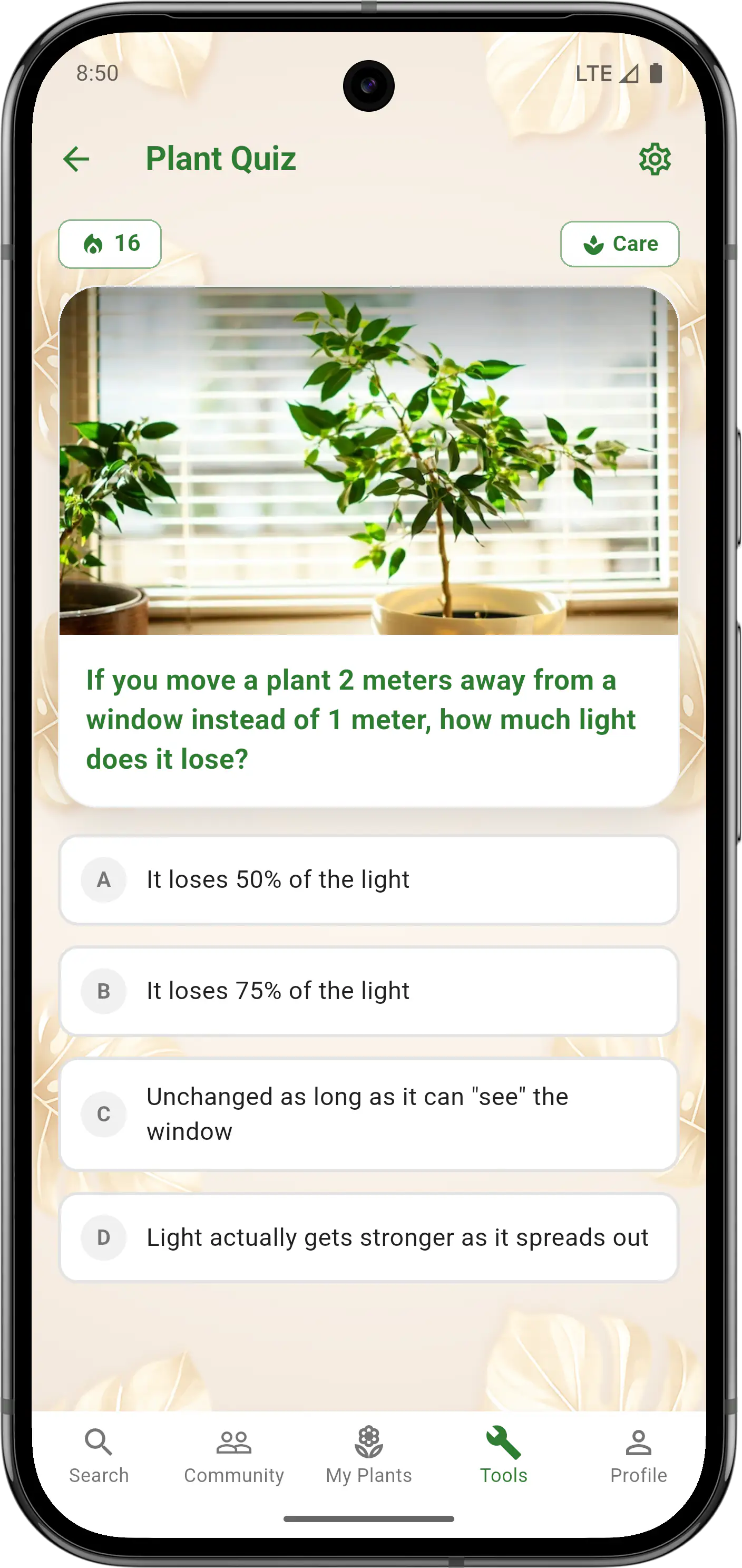
Plantology
Start Plant Care With Less Guesswork
Get beginner-friendly reminders and simple plant suggestions so your first routine feels clear and manageable.
Start simple
Guided reminders reduce guesswork in your first plant routine.
Learn as you go
Simple steps make early progress easier to repeat each week.
Build confidence
Practical support helps you improve before adding more plants.



Frequently Asked Questions
Choose one location, pick one forgiving plant for that light, and run a weekly moisture check routine. A simple way to do this is to check light and soil moisture first, then track the result for 7 to 14 days.
Start with one plant, one drainage pot, and a simple watering tool. Keep purchases minimal for your first month. Pick the option that fits your light, schedule, and room setup, because fit matters more than trends.
Here is the simplest way to start. One or two is ideal. Fewer plants makes easy houseplant care for beginners much more manageable. A simple way to do this is to check light and soil moisture first, then track the result for 7 to 14 days.
Here is the key point. Weekly check-in: soil depth check, leaf check, quick cleanup, and one note about what changed. Pick the option that fits your light, schedule, and room setup, because fit matters more than trends.
Plantology
Start Plant Care the Easy Way
Use simple reminders and beginner-friendly plant suggestions in one app built for new plant owners.
- Beginner-friendly routines
- Easy plant suggestions
- Less guesswork day to day